
JOHN THE APOSTLE
HISTORY, HERITAGE, AND AFRICAN INTERPRETATIONS


By Leavie scott — Faith & History Chronicle
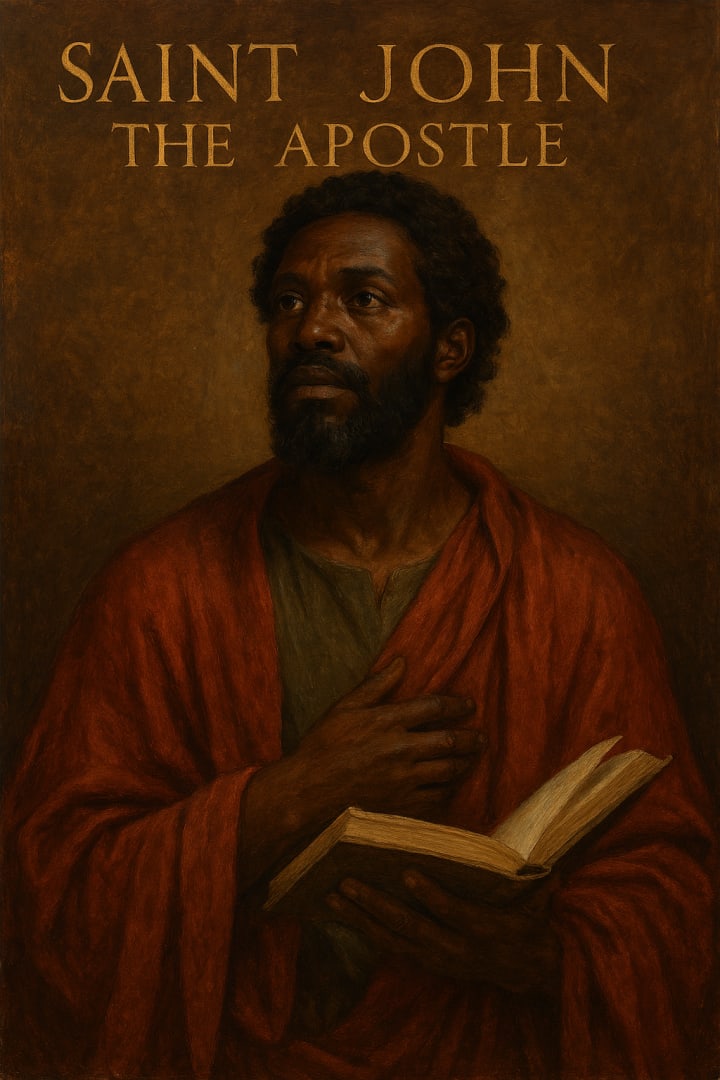
I. The Historical John: A Galilean Jew in the First Century

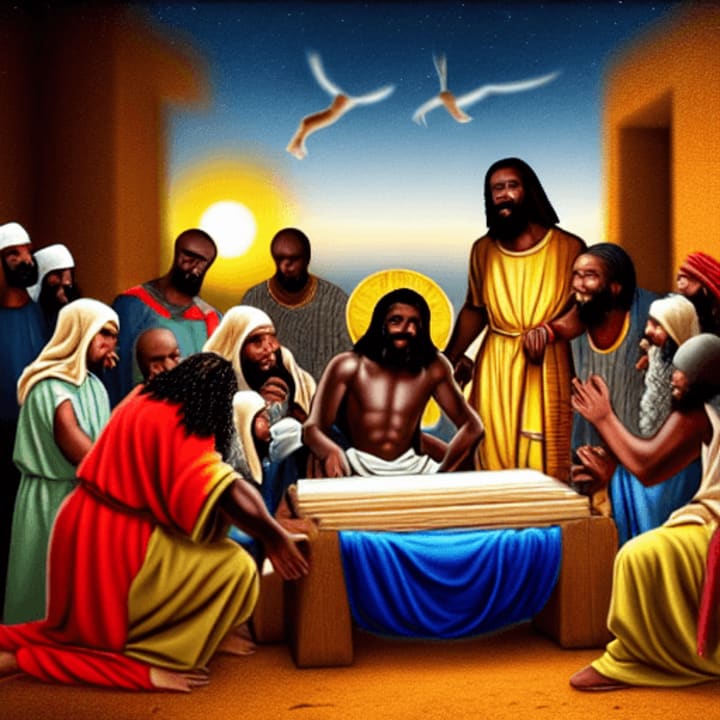
Traditional Christian writings attribute several New Testament books to him:
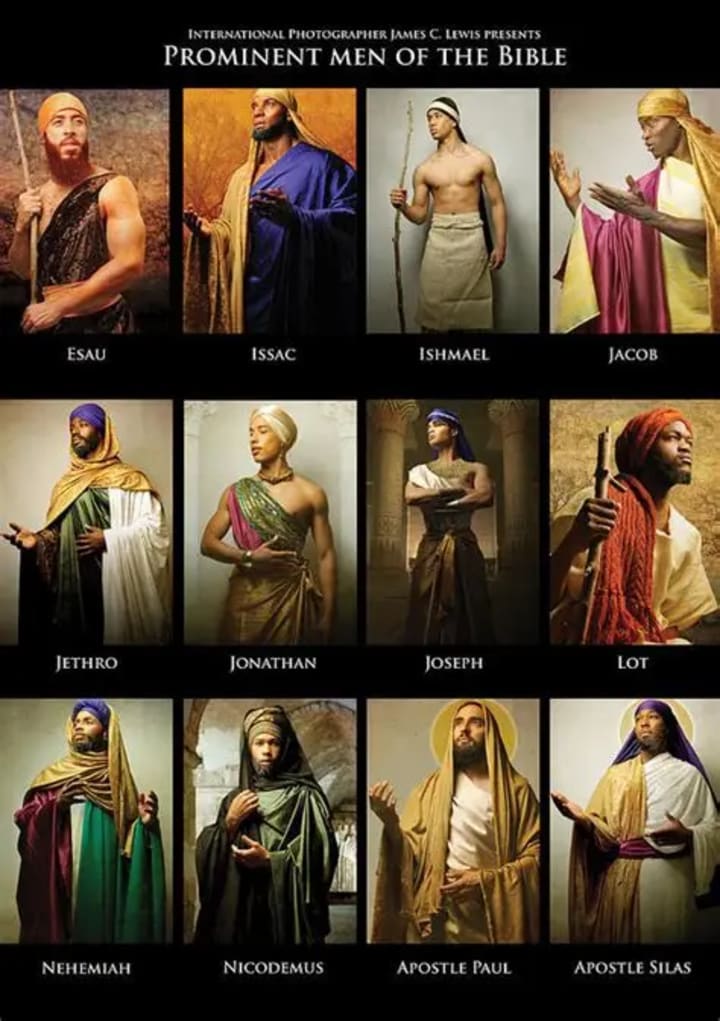
II. Africa and the Apostolic Story: A Cultural and Historical Intersection
Africa’s Place in Early Christianity
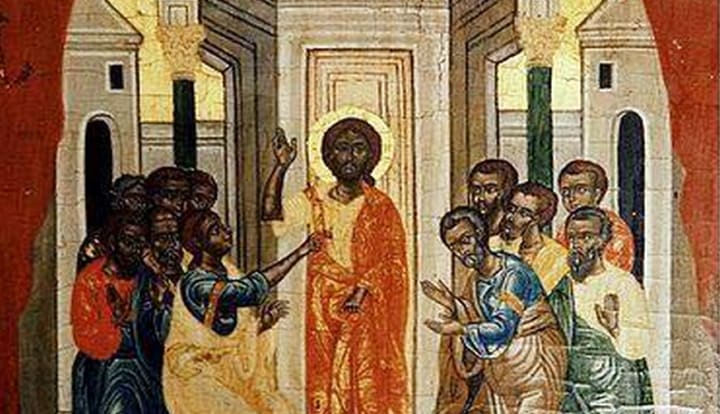
African Christian traditions — particularly Ethiopian — often portray biblical figures using Afrocentric imagery, not as a statement about their literal ethnic origins, but as a declaration of spiritual belonging and cultural pride.
Why African Communities Depict Apostles as Black
There are several reasons African and African‑diaspora communities re‑envision the apostles — including John — in Black form:
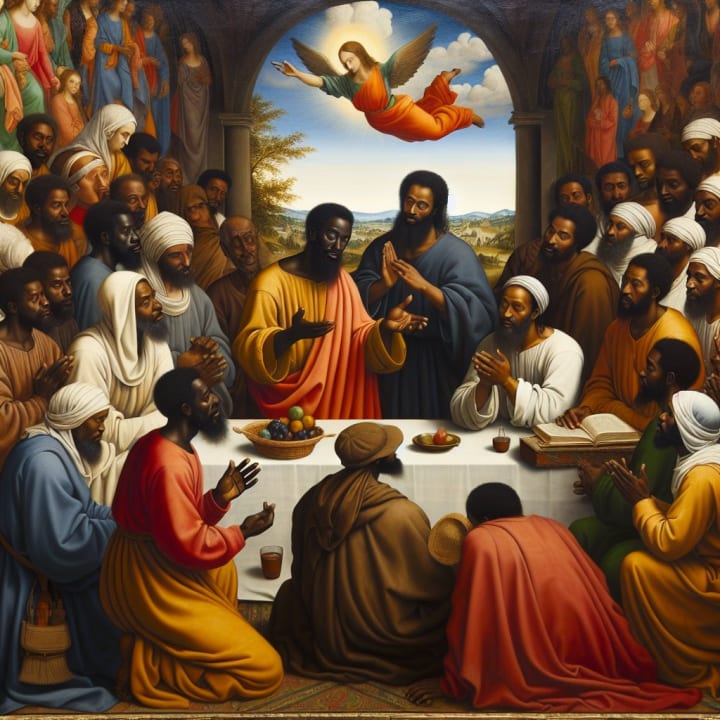
1. Representation and Identity
African Christian communities historically challenged European depictions of biblical characters by reinterpreting these figures through their own cultural lens.
2. Theological Inculturation
African Christianity emphasizes that the Gospel takes root in every culture; thus, biblical figures may be depicted reflecting local identity.
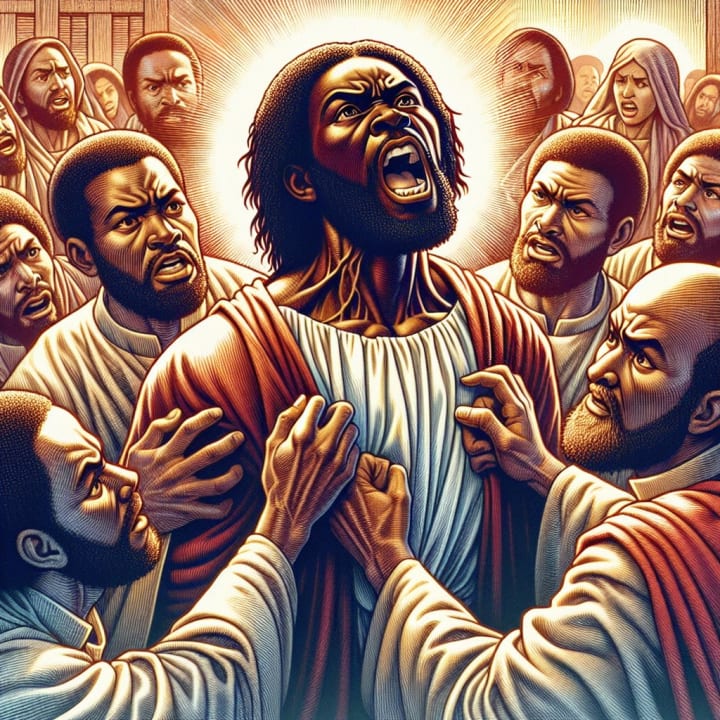
3. Historical Proximity
Christianity entered Africa early, especially in Egypt and Ethiopia, leading to traditions that adopted and re‑shaped apostolic imagery long before colonial Europe produced its own portrayals.
4. Symbolic Resistance
In the African diaspora, Black depictions of John challenge centuries of Eurocentric Christian art that excluded African features.
African Interpretations Do Not Replace History — They Expand Meaning
It’s important to stress that African portrayals are not historical claims about John’s literal ethnicity. Rather, they are:
* Cultural affirmations
* Expressions of self‑identification
* Spiritual symbolism
* Acts of reclaiming sacred imagery
This means African John is theologically and culturally true, even if not historically literal.
III. The Beloved Disciple Through African Eyes
1. Ethiopia: A Jewel of Apostolic Imagination
Ethiopia, home to one of the world’s oldest Christian traditions, preserves ancient iconography in which saints — including apostles — appear with African features.
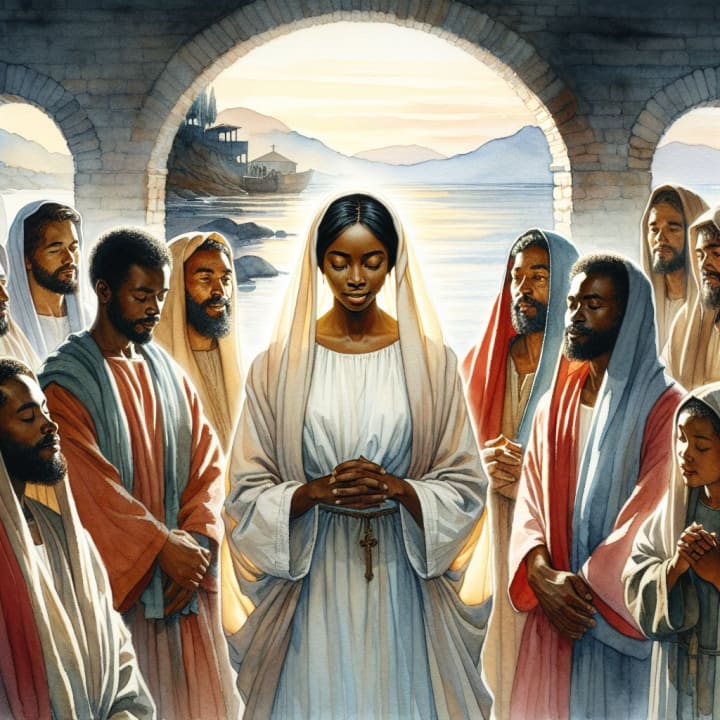
While Ethiopian Christianity does not claim John was ethnically Ethiopian, their art depicts all apostles as Black African men, including John, reflecting Ethiopia’s belief that Scripture belongs fully to its people.
2. Early Egyptian Christianity and the Johannine Tradition
Egypt, particularly Alexandria, was a powerhouse of early Christian scholarship. Church fathers there preserved and interpreted Johannine writings for centuries. Their theological contributions shaped how Africa and the Mediterranean understood the Gospel of John.
In some early Coptic depictions, apostles take on dark‑skinned features, aligning with the local population’s own heritage.
3. The African Diaspora: Reclaiming Sacred Narratives
From the Caribbean to North America, Black Christian communities reimagined John as a symbol of:
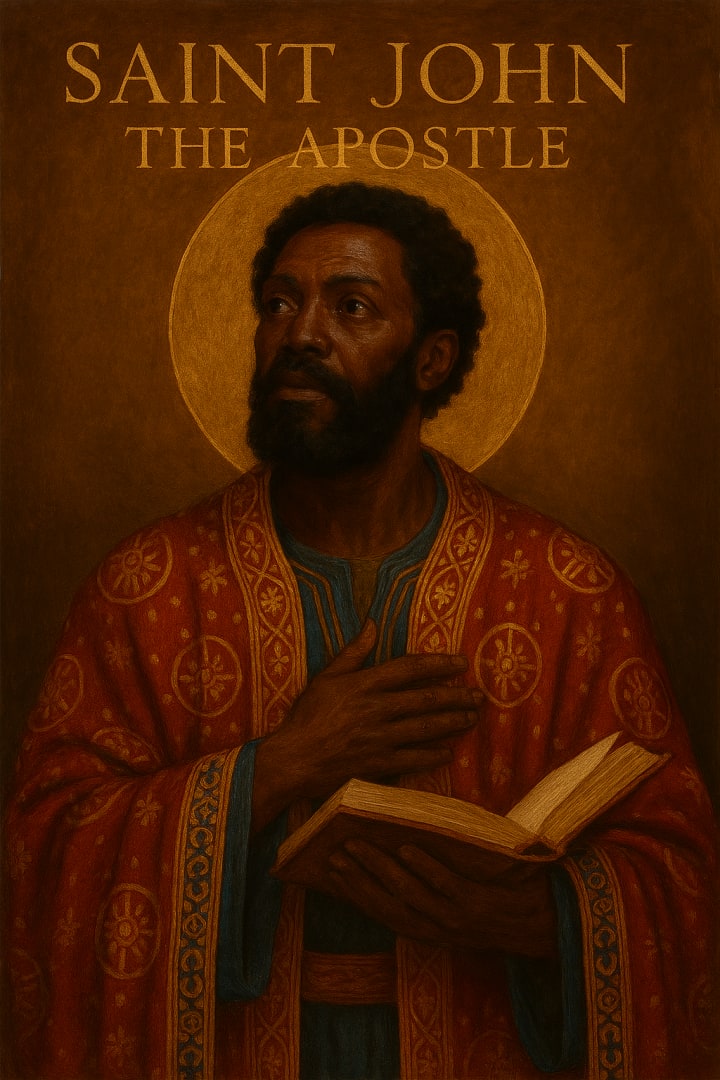
* Divine love
* Prophetic resistance
* Survival through suffering
In African‑American church murals, John is often painted with deep brown or Black skin, reasserting a connection between Scripture and the lived experience of Black believers.
IV. The Intersection of History and Cultural Reinvention

Historical evidence tells us who John was:
A first‑century Galilean Jewish fisherman, follower of Jesus, and major figure in the earliest Christian movement.
But cultural interpretation tells us how John continues to inspire new generations across continents.
African interpretations do not aim to correct history; they aim to claim spiritual ownership of a faith that has deep African roots.
Just as European art often depicted John with European features, African traditions reclaim the right to depict sacred figures through Black aesthetics.
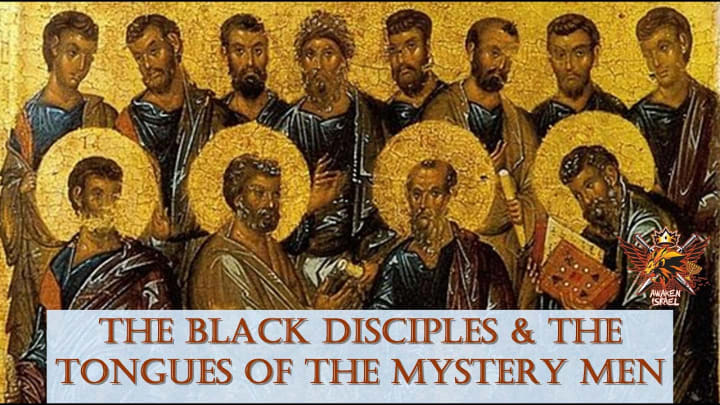
Both expressions coexist: Historical John: Middle Eastern, Jewish, living under Roman occupation.
African John: A symbol of Black divinity, endurance, and representation.
Both Johns are true — one historically, one culturally — and together they reveal the global reach of the apostolic story.
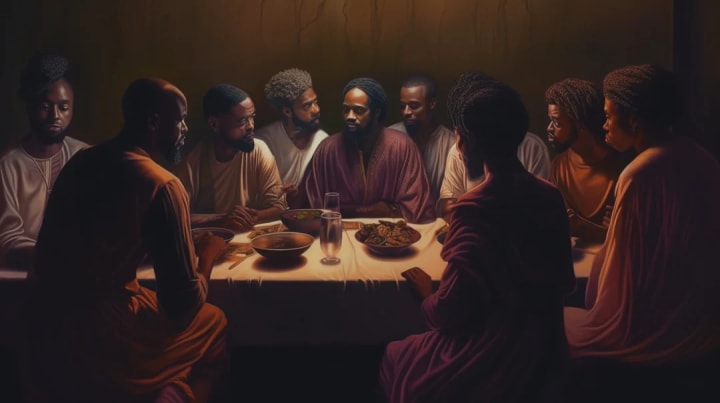
V. Conclusion: John’s Legacy, Shared Across Continents
Two thousand years after he walked the shores of Galilee, John the Apostle continues to speak — in churches, in art, in music, and in the spiritual imagination of millions.
His historical identity as a Galilean Jew provides a foundation grounded in scholarship.
His cultural identity in African interpretations broadens his reach, transforming him into a universal symbol of love, wisdom, and God’s closeness to all peoples.
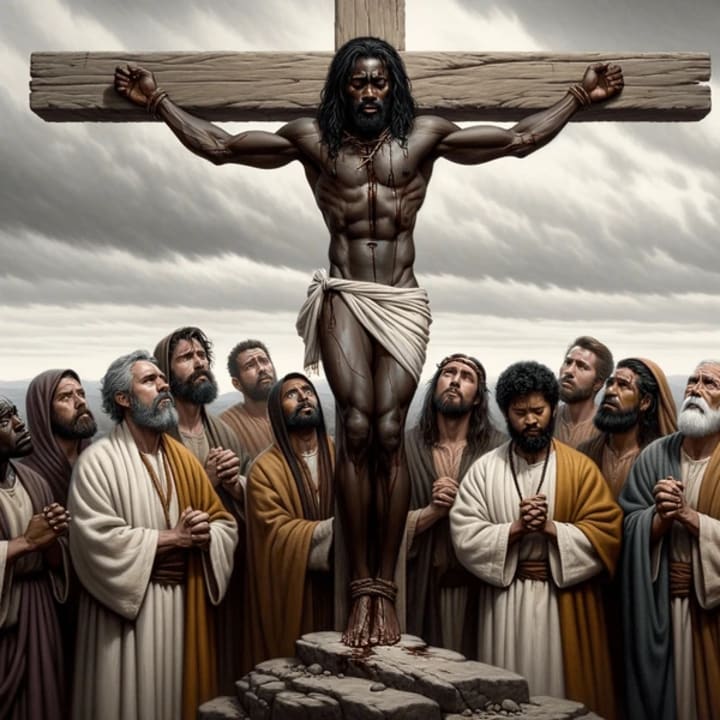
Christianity’s journey from the Middle East to Africa, and then to the rest of the world, ensures that John belongs to history — and to every culture that finds itself in his story.
Enjoyed this feature?
📬 Subscribe for more deeply researched historical features blending culture, faith, and scholarship.
About the Creator
Organic Products
I was born and raised in Chicago but lived all over the Midwest. I am health, safety, and Environmental personnel at the shipyard. PLEASE SUBSCRIBE to my vocal and check out my store
Keep reading
More stories from Organic Products and writers in BookClub and other communities.
The Marketplace of Vision
In the early hours before the rush of the workday, there is a quiet ritual many artists practice: checking the studio, straightening prints, wiping a fingerprint from acrylic, studying compositions in morning light. For the modern digital artist, that ritual often happens across a screen—yet the care is identical. Files are reviewed like negatives from a darkroom. Tones are balanced. Titles are chosen with intent. And with a click, the studio door opens not to a physical street, but to a global thoroughfare of collectors, curators, and casual art lovers who pass by, pause, and sometimes carry a piece of the artist’s vision back into their lives.
By Organic Products 11 days ago in BookClub
7 Amazing Books to Read When You're Feeling Lazy
We all have those moments when life feels slow, energy is low, and the idea of tackling dense, heavy books feels impossible. Yet, even on our laziest days, reading can still be one of the most rewarding ways to spend time. The trick lies in choosing the right books—stories that are engaging without being exhausting, inspiring without being overwhelming, and comforting without feeling trivial.
By Diana Meresc7 days ago in BookClub



Comments
There are no comments for this story
Be the first to respond and start the conversation.