
Fridge Compressor The Heart of Your Refrigerator’s Cooling System
How a Fridge Compressor Works Powering Freshness Every Day

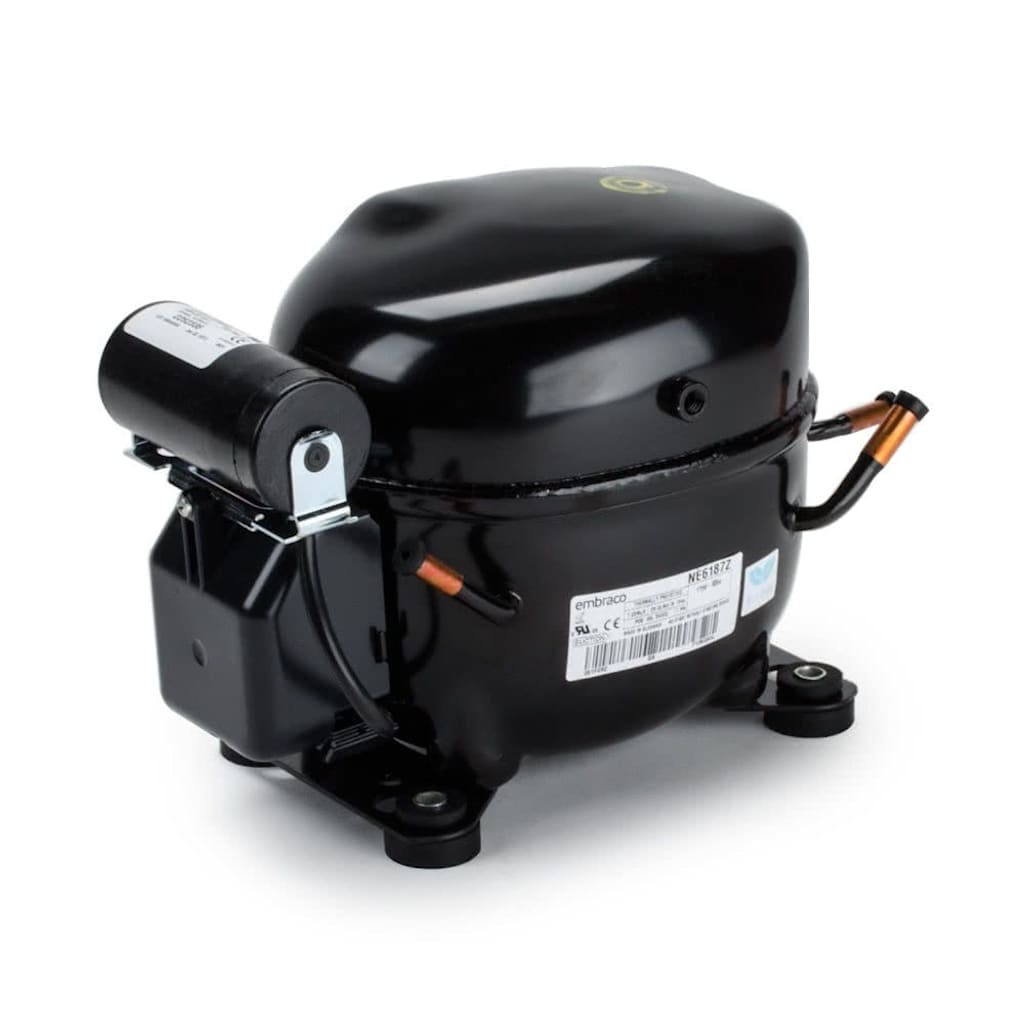
The refrigerator is one of the most essential appliances in any modern home, quietly preserving food and keeping drinks cold
around the clock. At the core of this everyday convenience lies a powerful yet often overlooked component—the fridge compressor.
Understanding how this crucial part works, how it maintains efficiency, and how to properly care for it can help extend the life of
your refrigerator and save energy in the long run.
The compressor is often referred to as the “heart” of the refrigerator. Its primary function is to circulate refrigerant through the cooling
system. It does this by compressing low-pressure refrigerant gas into a high-pressure, high-temperature state. Once compressed, the
refrigerant travels through the condenser coils, releasing heat and transforming into a liquid. This liquid then moves through an
expansion valve and into the evaporator coils, where it absorbs heat from inside the fridge, cooling the interior. The refrigerant then
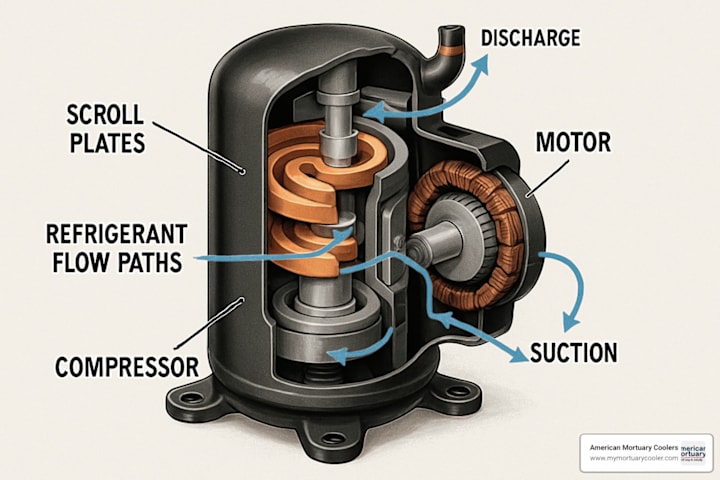
returns to the compressor, and the cycle repeats.
Efficiency is a key factor when it comes to fridge compressors. A well-functioning compressor ensures that the refrigerator maintains a
consistent temperature without consuming excessive energy. Modern refrigerators are designed with energy-efficient compressors that
adjust their speed based on cooling demand. These variable-speed compressors, also known as inverter compressors, operate more
smoothly and consume less power compared to traditional on-off models. By running continuously at lower speeds instead of frequently starting and stopping, they reduce wear and tear while
maintaining optimal cooling.
However, even the most efficient compressor can struggle if the refrigerator is not used or maintained properly. One common issue
that affects efficiency is poor airflow around the appliance. Refrigerators need space for heat to dissipate, especially at the back
where the condenser coils are located. Placing the fridge too close to a
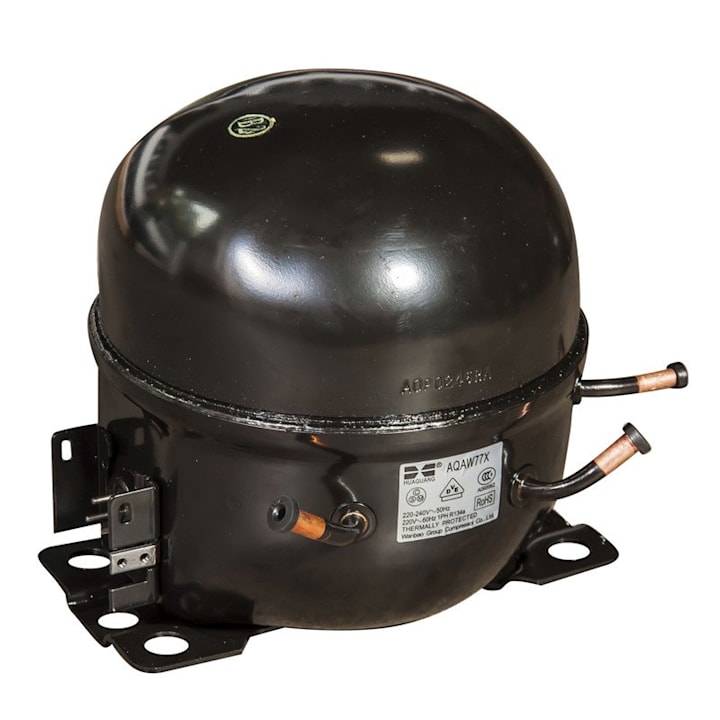
wall or surrounding it with clutter can trap heat, forcing the compressor to work harder and consume more electricity.
Another factor that impacts compressor performance is the cleanliness of the condenser coils. Over time, dust and debris can
accumulate on these coils, reducing their ability to release heat. When this happens, the compressor has to run longer to achieve the
desired temperature. Regularly cleaning the coils—typically every six months—can significantly improve efficiency and reduce energy bills.
Temperature settings also play an important role. Setting the fridge too cold may seem like a good idea for preserving food, but it can
overwork the compressor unnecessarily. The ideal refrigerator temperature is usually between 3°C and 5°C, while the freezer should be set around -18°C. Maintaining these settings helps balance cooling
performance with energy consumption.
Maintenance of the fridge compressor doesn’t require direct handling of the component itself, as it is a sealed unit. However, indirect care
can go a long way in ensuring its longevity. Listening for unusual noises is one simple way to monitor its condition. A properly
functioning compressor typically produces a low, steady hum. Loud clicking, buzzing, or knocking sounds may indicate a problem that
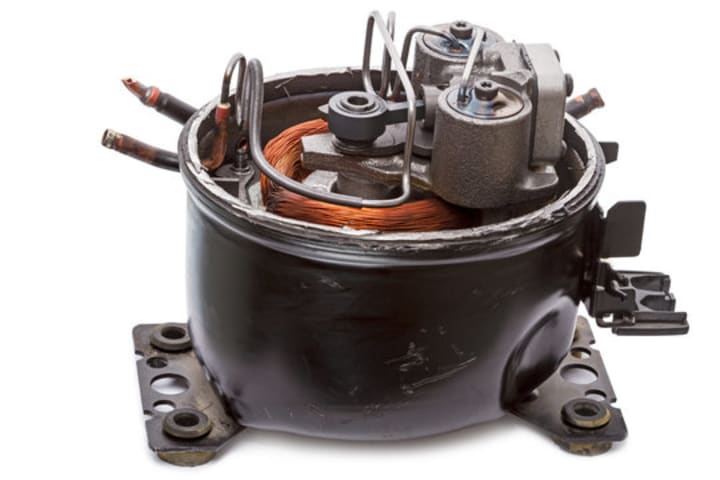
requires professional attention.
Additionally, ensuring that the door seals are intact is essential. If cold air escapes due to worn or damaged seals, the compressor will
need to run more frequently to maintain the internal temperature. Checking the seals for cracks and cleaning them regularly can help
keep the cold air inside where it belongs.
Power supply stability is another important consideration. Frequent power fluctuations can damage the compressor over time. Using a
voltage stabilizer can protect the refrigerator from sudden spikes or drops in electricity, especially in areas where power supply is
inconsistent.
It’s also worth noting that overloading the refrigerator can hinder airflow inside, making it harder for the cooling system to function
effectively. Proper organization of food items allows cold air to circulate freely, reducing the strain on the compressor.
In conclusion, the fridge compressor plays a vital role in keeping your food fresh and safe. By understanding its function and taking simple
steps to maintain efficiency—such as cleaning coils, setting appropriate temperatures, ensuring proper airflow, and monitoring
performance—you can extend the life of your refrigerator and reduce energy consumption. While it may work silently behind the scenes,
giving attention to this essential component can make a noticeable difference in both performance and cost savings over time.
About the Creator
Niaz Muhammad
Insha Allah, I will write in such a good way that people with weak eyesight or the elderly can easily read it.
Keep reading
More stories from Niaz Muhammad and writers in Chapters and other communities.




Comments
There are no comments for this story
Be the first to respond and start the conversation.