
Megan is Missing: The Controversial Horror Film Will Be Adapted Into a Vertical Series
The series, directed by Michael Goi, is designed for smartphone viewing following the global popularity the original work achieved on TikTok

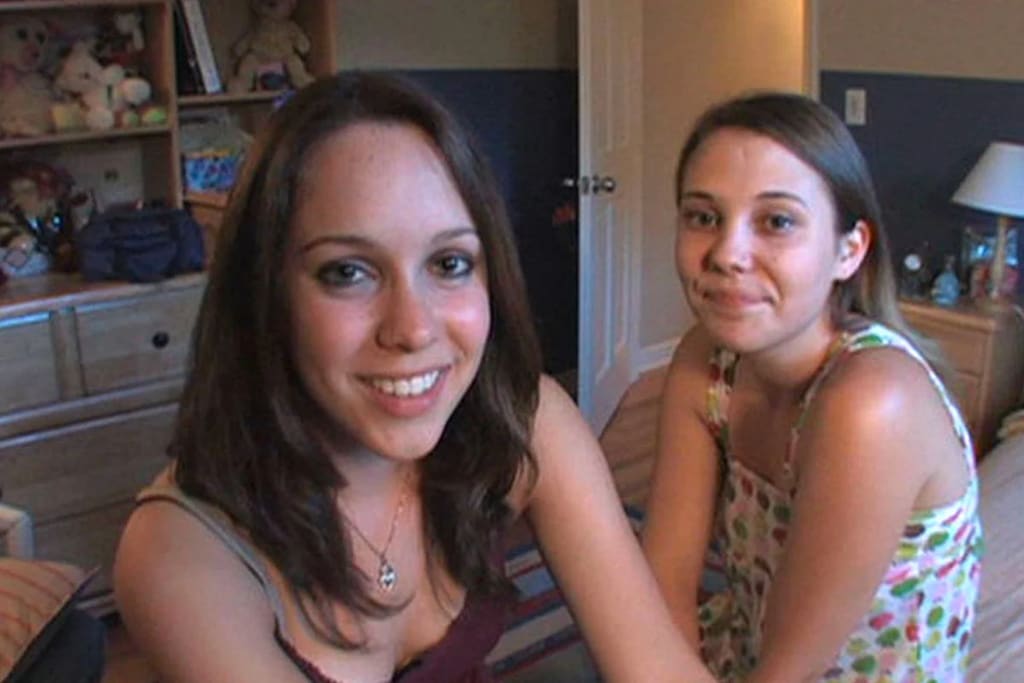
Megan Is Missing is a 2011 American psychological horror film directed by Michael Goi. The film is presented in a found-footage style and explores the harrowing themes of online predation and the dangers of internet interactions among teenagers. It follows the story of two teenage girls, Megan Stewart (played by Rachel Quinn) and her best friend Amy Herman (Amber Perkins), as they navigate their friendship and the perils of online relationships.
Megan Is Missing is set to be adapted into a vertical series format, a development that has garnered attention in recent days. This new adaptation has reportedly finished filming, with original creator Michael Goi involved in the project. The announcement was made through a Facebook update by IATSE, indicating that the series has been shot in Los Angeles.
The series will be presented in a vertical format, which is becoming increasingly popular for mobile viewing. This approach aims to cater to modern viewing habits, particularly among younger audiences who consume content primarily on their smartphones.
Like the film, the series is expected to explore the dangers of online interactions, particularly for teenagers. It aims to serve as a cautionary tale about the risks associated with engaging with strangers on the internet, a theme that remains relevant in today's digital landscape.
The adaptation of Megan Is Missing into a vertical series represents an intriguing evolution of the original story, aiming to reach a new audience while addressing important themes related to internet safety and the vulnerabilities of youth in the digital age.
Controversy Surrounding Megan Is Missing
Megan Is Missing became one of the most controversial horror films upon its release due to several factors that sparked intense debate among audiences and critics alike.
The horror movie is notorious for its graphic depiction of violence, particularly sexual violence against minors. It includes scenes of rape, torture, and murder, which many viewers found to be excessively disturbing. Critics have labeled it as "torture porn," arguing that the portrayal of such violence is exploitative rather than serving a meaningful narrative purpose. The film's climax features a particularly harrowing scene involving a blue barrel, which has become infamous for its shocking content, further contributing to its controversial reputation.
Due to its explicit content, Megan Is Missing was banned in New Zealand, where the Office of Film and Literature Classification deemed it "objectionable." The office stated that the film's availability could be injurious to the public good, highlighting concerns about its impact on viewers, especially younger audiences. This official ban underscored the film's polarizing nature and raised questions about censorship in media.
The film also faced criticism for its acting, particularly the performances of its young, inexperienced cast. Many reviewers noted that the acting felt forced and unrealistic, detracting from the film's intended impact. Additionally, the film's production choices, including its found-footage style, were seen by some as lacking authenticity, which further fueled negative perceptions.
While director Michael Goi intended Megan Is Missing to serve as a cautionary tale about the dangers of online interactions, the execution of this message was met with skepticism. Critics argued that the film's graphic nature overshadowed its educational intent, leading to a perception that it was more focused on shock value than on delivering a meaningful lesson about internet safety. Goi himself acknowledged the film's disturbing content and issued warnings to potential viewers, indicating awareness of its controversial reception.
Megan Is Missing remains a contentious film due to its graphic portrayal of violence, the reactions it provoked regarding censorship, criticisms of its production quality, and the disparity between its intended message and its execution. These factors combined to create a film that continues to elicit strong reactions and discussions about the ethics of depicting such sensitive subjects in horror cinema.
About the Creator
Ninfa Galeano
Journalist. Content Creator. LGBT+ perspective 🏳️🌈
Keep reading
More stories from Ninfa Galeano and writers in Geeks and other communities.
Simpsons Review: "So It's Come to This: A Simpsons Clip Show"
Happy April Fools' Day, all! It's been a while since I've written a review of a Simpsons episode, and with today being the aforementioned holiday, I just have to talk about this episode. It's a landmark episode, in more ways than one, so let's get to it.
By Clyde E. Dawkins2 days ago in Geeks
CAST Performing Shakespeare's "Richard III" at Gloucester Stage Company
“True hope is swift, and flies with swallow’s wings.” - Richard III, William Shakespeare. Cape Ann Shakespeare Troupe (CAST) presents William Shakespeare’s “Richard III” this April. The play centers on the ruthless Richard, Duke of Gloucester, as he schemes, betrays, and murders his way to the English throne. His atrocious rise to power leads to his downfall at the Battle of Bosworth Field.
By Marielle Sabbag3 days ago in Geeks
Watching The End Of The World From The Diner
Introduction I am not sure how to approach this. Guy Peellaert was an amazing artist who created iconic fantasy images of famous people, usually musicians or politicians, as well as creating commissioned album covers such as "It's Only Rock'n'Roll" by The Rolling Stones and David Bowie's "Diamond Dogs" which you can read more about below.
By Mike Singleton 💜 Mikeydred 7 days ago in Art


Comments
There are no comments for this story
Be the first to respond and start the conversation.