
Conspiracy Theories That Turned Out to Be True: When Suspicion Was Not Just Fantasy
Cases where hidden programs, manipulation, or surveillance were dismissed for years before documents and investigations proved they were real.
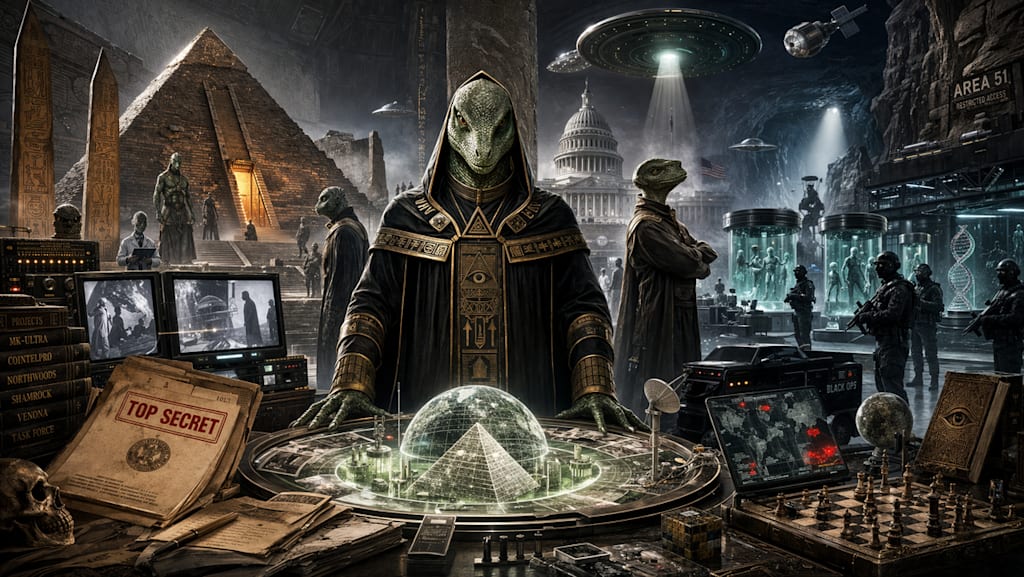
The phrase “conspiracy theory” has long become a label. It is often used for everything at once: outright inventions, but also simply uncomfortable versions of events that people do not want to believe. Some people begin to see a hidden plan behind every major event. Others assume in advance that any discussion of covert operations or concealed schemes must be nonsense. In reality, the picture is more complicated. Most conspiracy theories really do collapse under scrutiny. But history also offers other cases—moments when governments, intelligence services, or major institutions really did conceal programs, manipulation, or interference, and the truth came out only years later. Sometimes through leaks, sometimes through journalistic investigations, and sometimes through officially declassified documents. These are exactly the stories that deserve attention.
When Suspicion Turned Out to Be Real
MKUltra: the experiments that long sounded like fiction
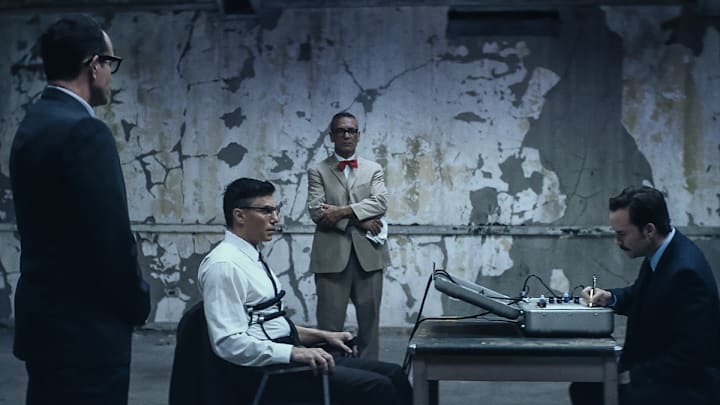
One of the best-known examples is MKUltra. For a long time, stories that intelligence services had tried to study behavior control, the effects of drugs, and methods of psychological manipulation sounded like science fiction or a cheap thriller. Later, it became clear that such a CIA program had in fact existed. Under MKUltra, secret experiments were carried out with LSD, hypnosis, electroshock, sensory deprivation, and other methods. The testing took place in prisons, hospitals, and universities. In many cases, people did not even know they were taking part in the experiments. It is still difficult to reconstruct the full picture, because in 1973 a large part of the documentation was destroyed. But investigations in the mid-1970s confirmed the essential point: the program was real, and the scale of the hidden activity was serious.
COINTELPRO: surveillance and pressure on political movements
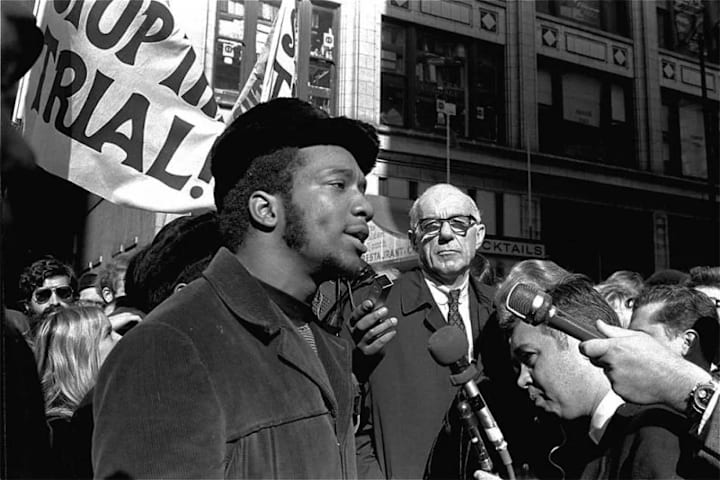
Another important example is COINTELPRO, the FBI program directed against political and social organizations the bureau regarded as dangerous. This was not just a matter of observation. The program included attempts at discrediting, disinformation, pressure, and the disruption of entire movements. Those targeted included civil rights activists, anti-war groups, left-wing organizations, and other associations not necessarily connected with violence. What is especially revealing is that the program became known not because it was voluntarily disclosed. In 1971, activists broke into an FBI office in Philadelphia, took secret documents, and passed them to the press. After that, it was no longer possible to hide what had been happening.
Secret Surveillance Programs: Not Fantasy, but Practice
Venona: covert counterintelligence over decades
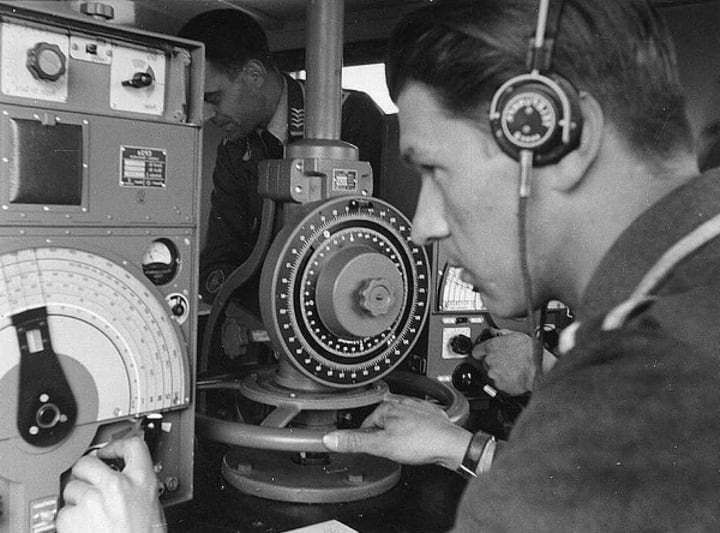
There is another kind of story—not about manipulating society, but about secret surveillance and intelligence work. One such example is the Venona project, under which the United States spent years decrypting Soviet coded communications. The project was not a “conspiracy” in the everyday sense of the word. But it matters for another reason: for decades, an enormously significant secret program existed about which the public knew almost nothing. And when the information was finally revealed, it became clear how important a role it had played in assessing Soviet espionage. It is a good example of how real covert operations can remain outside public view for a very long time, only later becoming part of official history.
Illegal surveillance and Operation Shamrock
Another example is the long-running American programs for collecting telegraph communications. Such practices existed even before the Second World War and later expanded into a broader system known as Operation Shamrock. The logic was simple and disturbing: intelligence structures gained access to international telegrams passing through the United States, with the participation of telegraph companies themselves. This continued for years and was stopped only after public exposure in the 1970s. Stories like this matter because they remind us that mass surveillance is not only a modern digital issue. The logic of secret monitoring existed long before the internet.
When Manipulation of Public Opinion Turned Out to Be Real
The Nayirah story: a powerful testimony that turned out to be staged

In the autumn of 1990, the United States heard a story that deeply shocked public opinion. A young girl named Nayirah testified that Iraqi soldiers had supposedly taken babies out of incubators in Kuwait and left them to die. The story spread rapidly through the media and became one of the emotional arguments in favor of supporting war. Later, it turned out that the story was false. More than that, it became known that the testimony had been part of a campaign designed to influence public opinion. It remains one of the clearest examples of how a powerful emotional image can be used as a tool of political mobilization. What matters here is not only that the story was untrue, but how readily people believed it precisely because it had been presented effectively and arrived at exactly the right moment.
The Tuskegee experiment: a real scandal hidden for far too long
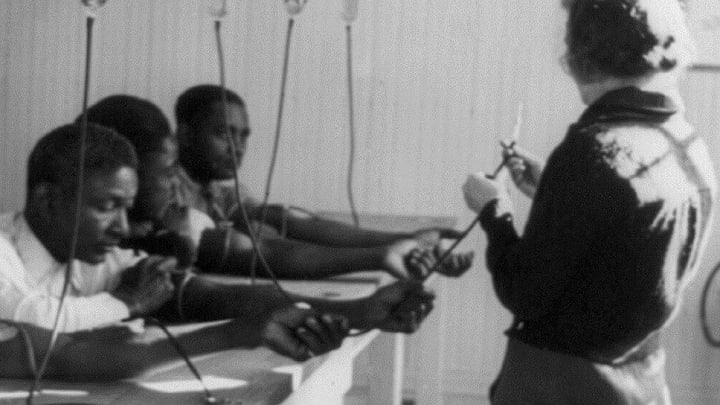
One of the darkest stories of the twentieth century is the Tuskegee syphilis study. For decades, hundreds of poor Black men in the United States took part in a program in which they were not told the truth about their illness and were not given proper treatment, even after effective treatment already existed. For a long time, suspicions of something like this could easily have been dismissed as unbelievable or exaggerated. But a journalistic investigation in 1972 showed that all of it had in fact happened. Official apologies followed later. This story matters especially because it shows that sometimes a hidden program rests not on the romance of espionage, but on bureaucracy, indifference, and the conviction that “unimportant” people can be treated as material for experimentation.
Operation Northwoods: a plan that was never carried out, but did exist
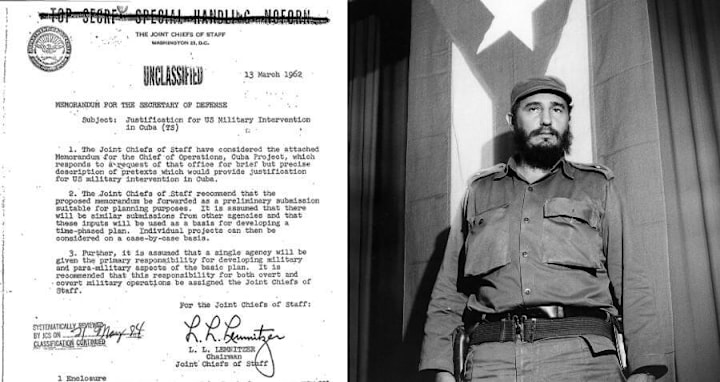
Another astonishing example is Operation Northwoods. In the early 1960s, the US military developed proposals involving staged attacks and other provocations in order to create a pretext for action against Cuba. The plan was never implemented: President Kennedy rejected it. But the documents were later declassified, and it became clear that this was not fantasy, but a very real set of proposals developed inside the military system.
What Follows From All This
These stories matter because they remind us of something simple: sometimes the truth looks unbelievable until evidence appears. Their main lesson is not that one should believe everything, but that it is also dangerous to dismiss uncomfortable possibilities too quickly. The soundest approach is to look at facts, documents, and context.
About the Creator
Year 1831 Fun Facts, Trivia, and Historical Events
This quick read presents a collection of fun facts, trivia, and historical events from the year 1831. Discover the year’s top news stories, most influential people, historic firsts, retail prices, and much more.
By Gregory DeVictora day ago in History
The Portrait of Matteo
Seventeen-year-old Manny got off a public bus at a busy intersection in downtown Philadelphia. When the bus released its brakes and passed his narrow view, he checked whether the art museum across the street was still there. He had been visiting it every day that week but wondered for a second the veracity of its presence. Now, the spring sun betrayed its gray highlights, giving it a warm glow.
By Paul Aaron Domenick5 days ago in Fiction



Comments
There are no comments for this story
Be the first to respond and start the conversation.