
Iran mobilizes children for checkpoints as 11-year-old dies in airstrike
Critics argue that these actions endangers children
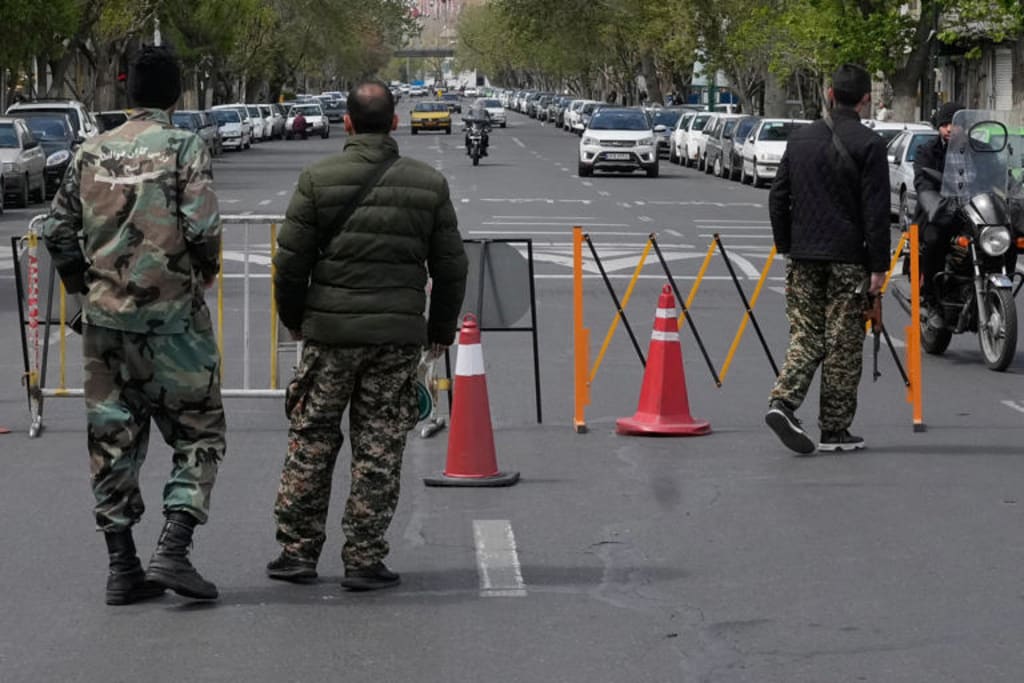
As tensions escalate in the Middle East, Iran is facing not only external military pressure but also growing internal strain. Amid an ongoing conflict with United States and Israel, Iranian authorities are reportedly tightening domestic control in an effort to prevent anti-government unrest before it can take hold.
According to reports from Al Jazeera and Reuters, the government has significantly expanded its internal security measures. Checkpoints have been established across major cities and key transportation routes, largely enforced by the Basij, a branch of the Islamic Revolutionary Guard Corps. These checkpoints are part of a broader strategy aimed at controlling movement, monitoring dissent, and maintaining order during a time of heightened instability.
In addition to physical security measures, authorities are also reportedly organizing pro-government demonstrations to occupy public spaces and prevent opposition groups from gathering. This tactic, observers say, is designed to preempt protests by limiting opportunities for dissent to surface in the first place.
Crackdowns have been particularly severe in minority regions, including Kurdish and Baloch areas, where tensions with the central government have historically been high. Reports suggest that authorities have issued warnings about punishing families of protest participants and even confiscating the assets of Iranians living abroad. According to Ali Ansari, the government’s actions reflect a broader mindset. “The regime is driven by paranoid grievances and will seek to suppress protests before issues arise,” he told Reuters.
At the same time, military developments are adding further complexity to the situation. U.S. and Israeli forces have reportedly targeted Iranian security infrastructure, including police stations and checkpoints, in an effort to weaken the government’s internal control. Between late February—when the conflict began—and early the following month, at least 75 such facilities were said to have been damaged or destroyed.
One of the most troubling aspects of the situation is the reported involvement of minors in security operations. Facing personnel shortages within the Basij militia, Iranian authorities are alleged to have lowered the conscription age, deploying adolescents—and in some cases, children—as young as 12 to assist with checkpoint duties and patrols.
This development has raised serious concerns among human rights organizations. According to Hengaw, an 11-year-old boy, Alireza Jafari, was killed in an airstrike while stationed at a checkpoint near Tehran. The incident is believed to be the first confirmed death of a child conscript since the conflict began, underscoring the risks associated with such practices.
Critics argue that these actions not only endanger children but may also serve a broader propaganda purpose. Iran International reported claims that authorities knowingly placed minors in high-risk areas, potentially to shape public perception. Human rights activist Shiva Mahbobi suggested that such tactics could be used to portray external forces as targeting civilians, thereby strengthening domestic support for the regime.
Further concerns have emerged over the reported militarization of civilian spaces. Documents allegedly linked to the IRGC indicate that missile units are being concealed within sports facilities and industrial warehouses. Additionally, mobile missile launchers disguised as civilian vehicles have been identified, raising fears that ordinary infrastructure is being turned into potential military targets.
Beyond the immediate security situation, economic pressures are also intensifying. Damage to critical infrastructure, particularly in the energy sector, is expected to worsen an already fragile economy. With international sanctions unlikely to ease in the near future, analysts warn that financial hardship could deepen public dissatisfaction.
Recent data from Iran’s Statistical Center highlights the scale of the problem, with inflation reaching 71.8% compared to the same period the previous year. Such figures point to a severe cost-of-living crisis—one that has historically been a major driver of protests within the country.
Taken together, these developments paint a picture of a nation under immense pressure, both from external conflict and internal instability. The government’s efforts to maintain control—through increased security, suppression of dissent, and controversial measures such as child deployment—reflect the high stakes of the current moment.
As the conflict continues and economic challenges mount, the situation in Iran remains highly volatile. Whether these measures will succeed in maintaining stability or further inflame tensions is uncertain. What is clear, however, is that the consequences—both human and political—are likely to be profound and long-lasting.
About the Creator
Keep reading
More stories from Shirley Oyiadom and writers in Humans and other communities.
Russia's secret drone playbook handed to Iran
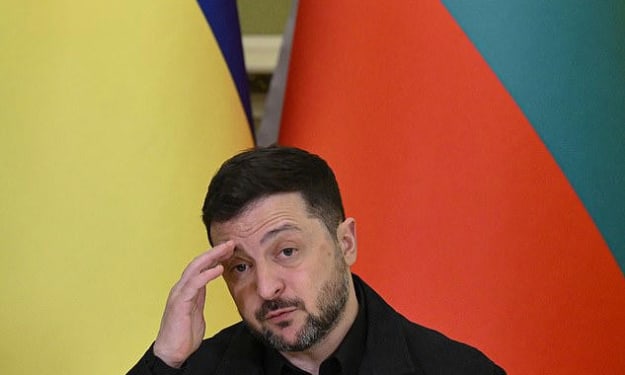
Ukrainian President Volodymyr Zelensky has issued a stark warning about the growing overlap between global conflicts, claiming that Russia is actively helping Iran improve its drone warfare capabilities—potentially to target U.S. interests in the Middle East.
By Shirley Oyiadom5 days ago in Humans
12 Life Lessons The Golden Girls Taught Us
Picture it: Miami, 1985. Four middle-aged actresses agree to play the characters of Blanche, Rose, Dorothy, and Sophia who share a home in a TV sitcom called The Golden Girls, unaware at the time of the kind of impact the show would leave on its adoring fans. The show aired until 1992, ending with a one-season spinoff called Golden Palace. The seven years we were graced with The Golden Girls on our television screens made its mark. More than three decades after Susan Harris’ imagination sparked the creation of these iconic characters, fans from around the world still watch reruns of The Golden Girls, spend time discussing the show on social media in Facebook groups like The Golden Girls Fanatics, carry Sophia-inspired handbags and relate to the episodes in their daily lives.
By Criminal Mattersa day ago in Humans
Swan
“During the Metal Age, humans took photographs of everything beautiful, which was everything, yet machines did not even wear shoes. The Fauxna thought of a better way. They colored all of the light rose, for a corrupted source cannot be verified.” - Origin Parable, 011
By Nicky Frankly4 days ago in Fiction


Comments
There are no comments for this story
Be the first to respond and start the conversation.