
What Is an Anti-COVID-19 Antibody and How Is It Used in Research?
Exploring the role of SARS-CoV-2 Spike S2–targeting antibodies in advancing cross-variant research, diagnostics, and next-generation therapeutic strategies.

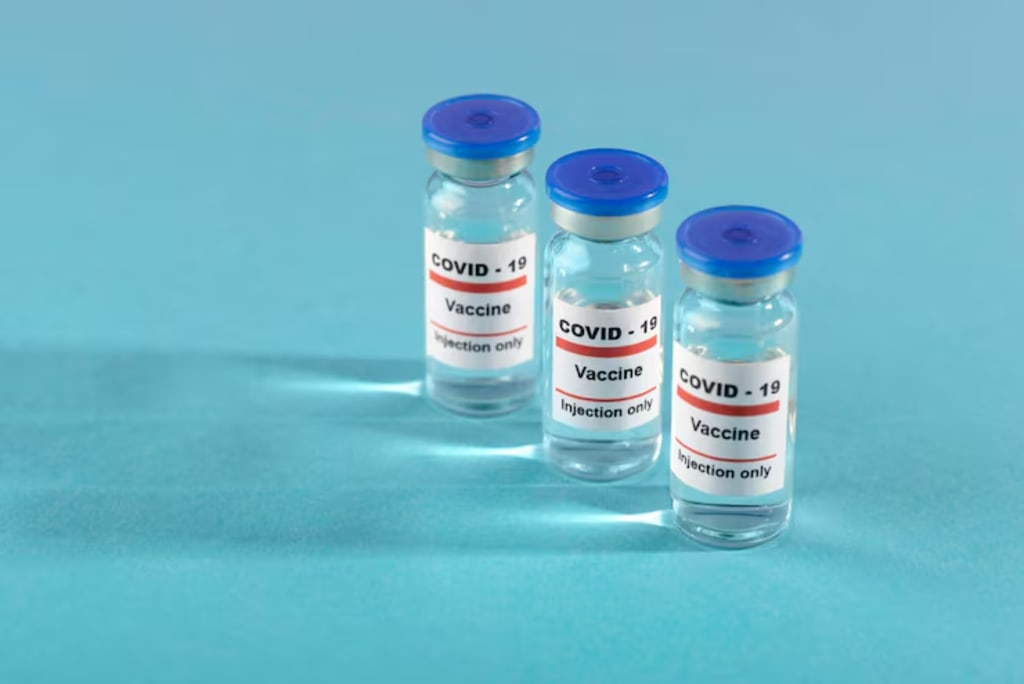
An anti-COVID-19 antibody targeting the SARS-CoV-2 Spike protein S2 subunit is a specialized immunological reagent used in virology research, vaccine evaluation, diagnostic assay development, and therapeutic antibody screening. As the COVID-19 pandemic catalyzed an unprecedented expansion in coronavirus research, validated antibodies against the Spike protein have become critical tools across the scientific community. With SARS-CoV-2 continuing to circulate and evolve, and with lessons from the pandemic shaping pandemic preparedness strategies, the demand for robust, cross-reactive anti-Spike reagents remains high.
Structure and Function of the SARS-CoV-2 Spike Protein
The SARS-CoV-2 Spike (S) protein is a trimeric class I fusion glycoprotein embedded in the viral envelope. It consists of two functional subunits. The S1 subunit contains the receptor-binding domain (RBD) that engages ACE2 on host cells. The S2 subunit mediates membrane fusion following receptor binding, driving viral entry into cells. The S2 subunit includes the fusion peptide, heptad repeats (HR1, HR2), and transmembrane domain — regions that are highly conserved across SARS-CoV-2 variants and related betacoronaviruses. This conservation makes S2-targeting antibodies particularly relevant for cross-variant and pan-coronavirus research, providing a degree of variant-resistant utility that S1-targeting reagents — subject to frequent mutational pressure — often cannot match.
Applications of Anti-SARS-CoV-2 Spike S2 Antibodies
Western Blot (WB)
Anti-S2 antibodies are used in Western blot to confirm Spike protein expression in virus-infected cells, transfected recombinant expression systems, and vaccine vector studies (e.g., adenoviral or mRNA-based platforms expressing the full Spike). Expected band size is approximately 90 kDa for the S2 fragment under reducing conditions. The ability to confirm Spike expression by Western blot is particularly important in the development of Spike-expressing cell lines and pseudoviral systems used for neutralization assays and vaccine immunogenicity studies.
ELISA
In serological ELISA formats, anti-S2 antibodies serve as detection reagents in assays that capture Spike protein from samples or calibrated standards. S2-based ELISAs can detect antibody responses to viral infection that differ from RBD-targeted seroassays, helping differentiate vaccine-induced versus infection-induced immunity — particularly relevant for S1/RBD-based vaccine platforms where vaccination generates S1 responses but not S2-specific responses in recipients who have not been naturally infected.
Neutralization and Therapeutic Research
While most clinically approved neutralizing antibodies target S1/RBD, the S2 domain has gained substantial interest as a therapeutic target due to its high conservation. Monoclonal antibodies targeting the S2 fusion peptide or heptad repeat regions have been identified as broad-spectrum coronavirus neutralizers in preclinical studies. These S2-targeting neutralizers act by blocking the conformational changes in the S2 subunit that are required for membrane fusion, a mechanism of action that is less susceptible to variant escape than RBD-blocking antibodies.
Cross-Reactivity and Variant Considerations
Because the S2 domain is more conserved than S1 across SARS-CoV-2 variants (Alpha, Delta, Omicron, etc.) and related coronaviruses (SARS-CoV, MERS-CoV), S2-targeting antibodies may retain reactivity across multiple strains — a useful property for broadly applicable research tools and pan-coronavirus vaccine development. Cross-reactivity data should be verified by the manufacturer through direct testing against variant-specific or closely related coronavirus Spike proteins, as computational sequence conservation does not always predict antibody binding performance at the protein level.
Antibody Validation in COVID-19 Research
When selecting anti-COVID-19 antibodies, researchers should verify confirmed reactivity with SARS-CoV-2 Spike protein (not just SARS-CoV or MERS), tested performance in intended applications (WB, ELISA, IF, neutralization), no cross-reactivity with unrelated human proteins, and documented use with recombinant or native viral antigen. Peer-reviewed citations describing antibody performance in specific applications provide the strongest validation data available and should be prioritized when selecting reagents for high-stakes experimental work.
Conclusion
Anti-COVID-19 antibodies targeting the SARS-CoV-2 Spike S2 subunit are versatile and scientifically robust tools for pandemic research, diagnostic assay development, and vaccine biology. Their cross-variant conservation makes them particularly valuable for studying broad coronavirus immunity and for developing next-generation pan-coronavirus vaccines. Whether used in Western blot, ELISA, or therapeutic screening platforms, validated S2-specific antibodies continue to support critical research efforts in infectious disease and immunology — and in preparing for future coronavirus threats.
About the Creator
Mia Bella
A beauty enthusiast and expert, Mia Bella is dedicated to sharing the latest trends, tips, and product reviews. With a passion for skincare and makeup, she empower others to enhance their natural beauty and confidence.
12 Life Lessons The Golden Girls Taught Us
Picture it: Miami, 1985. Four middle-aged actresses agree to play the characters of Blanche, Rose, Dorothy, and Sophia who share a home in a TV sitcom called The Golden Girls, unaware at the time of the kind of impact the show would leave on its adoring fans. The show aired until 1992, ending with a one-season spinoff called Golden Palace. The seven years we were graced with The Golden Girls on our television screens made its mark. More than three decades after Susan Harris’ imagination sparked the creation of these iconic characters, fans from around the world still watch reruns of The Golden Girls, spend time discussing the show on social media in Facebook groups like The Golden Girls Fanatics, carry Sophia-inspired handbags and relate to the episodes in their daily lives.
By Criminal Matters3 days ago in Humans
The Loneliness Pandemic
THE PARADOX OF DIGITAL CONNECTION We carry devices in our pockets that allow instant communication with anyone on the planet, we have hundreds or thousands of social media connections, we can video call friends across continents in seconds, and we have access to more social interaction opportunities than any generation in human history, yet surveys consistently show that loneliness has reached epidemic proportions with over sixty percent of Americans reporting feeling lonely regularly, with rates highest among young adults aged eighteen to twenty-five who are supposedly the most digitally connected generation ever, and this paradox of increasing digital connectivity accompanied by increasing loneliness reveals a fundamental truth about human social needs that technology companies do not want you to understand: digital connection is not the same as genuine human connection, and substituting one for the other produces a form of social malnutrition where you feel socially fed because you are consuming social stimuli but are actually starving for the specific types of connection that your brain and body require for health and wellbeing.
By The Curious Writer4 days ago in Humans
The Cave Part 11
Darkness, and the countless points of light, as if the entire void beyond was filled with the fire of a million stars. I felt as if I was staring into the eternity of a night sky beyond those wooden doors, the place beyond the actual reality, while I stood behind a curtain of scenery, the mountain and sky a mere pretense. And in that void beyond of unfathomable space, there hung suspended a mighty shard of crystal floating in place, with hundreds of a far smaller chunks orbiting around it in balanced but intersecting circles, no two in the same path. These caught the light from the center, and sparkled with inner fire each.
By Jamye Sharpabout 15 hours ago in Chapters


Comments