
How Can Retailers Install Store Fixtures
A Step-by-Step Guide to Installing Store Fixtures

When it is about setting up a commercial space, fixtures act as the backbone of your retail environment. They don't just hold products, but also shape how customers experience your space, influence buying decisions, and eventually affect your sales. Various brands consider the process of installing fixtures as simple as placing shelves against a wall. However, the entire process isn't as easy as it seems to be. It requires planning, precision, and understanding of both design and function.
If you are someone who is planning to open or revamp your retail space, this article will guide you on how to install store fixtures in an effective and efficient manner so that your shop gives a professional feel and operates smoothly.
Why Proper Installation Matters
Shelves, racks, gondolas, display units, counters, etc, are more than just furniture. Instead, they define traffic flow, highlight products, reflect your brand identity, and shape customers' perception. Poorly installed fixtures can lead to:
- Wasted floor space
- Safety hazards
- An unattractive store layout that discourages sales
However, when installed in a desired manner, retail fixtures and displays create a clean and welcoming environment that doesn't just encourage browsing but also makes your store's products shine.
Step 1: Plan Before You Install
Before unboxing a single shelf, you need to invest your time in planning. Here are a few questions that should be clear before installing fixtures:
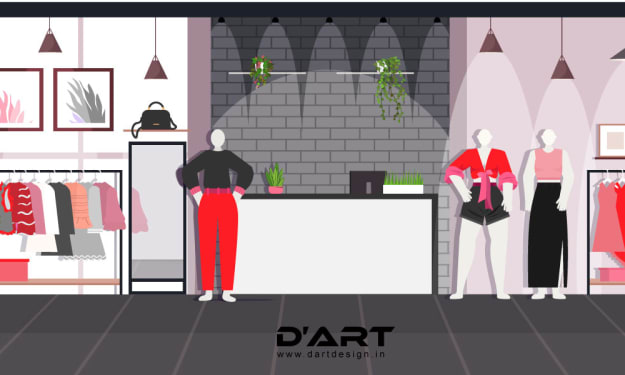
- What type of fixtures do you need? This completely depends on the type of your business. For example, racks and mannequins are perfect for displaying products in a clothing store. On the other hand, a grocery store needs to install shelving and refrigerated units for maximum visibility and impact.
- At which place should the fixtures be installed? You need to map out your floor plan in order to ensure an easy shopping flow. Shelves and racks should be installed in a way that avoids overcrowding and allows consumers to naturally move from one section to another.
- What should be the theme of your displays? Your retail store fixtures should go hand in hand with the overall design of your space. This will help establish a strong brand identity and maintain an aesthetic appeal.
Step 2: Prepare Your Tools and Workspace
The process of installing displays isn't just about placing units on the floor/wall. Instead, you require various tools depending on the type of fixtures, including:
- Drill and screwdriver
- Level
- Measuring tape
- Anchors and screws
- Safety gear (gloves, goggles)
Apart from tools, you also need to clear your workspace before beginning the installation process. Remove unnecessary clutter, make sure there is good lighting, and mark wall studs in case you will be mounting anything heavy. Doing this preparation will help minimize mistakes and ensure a smooth installation process.
Step 3: Assemble Fixtures Correctly
Shelves, racks, and other display units generally come with manufacturing instructions. When installing them by yourself, make sure you follow all those steps carefully, as missing them might reduce stability. Here are a few steps to consider:
- Unbox all the products at once: Organize all parts of the fixture before assembling it.
- Work on a flat surface: This is mandatory as uneven flooring can make units move unsteadily if not aligned properly.
- Use a level often: Irrespective of whether it's a wall mounted or floor fixture, it should sit straight. Even a slightly tilted shelf might look unprofessional and cause products to slide.
In case of heavier installations like gondola shelving or slatwall panels, an extra pair of hands will make the process safer and faster.
Step 4: Position Fixtures Strategically
Placement is equally important as assembly. Here are some steps to consider for positioning your fixtures for maximum impact.
- Walls first: In order to establish the perimeter, you should start with shelving against the wall.
- Center aisles next: Place gondolas or racks to create natural walkways. Also, you should avoid narrow aisles as they can discourage browsing.
- Highlight products: High margin or featured products should be placed at eye level. Also, end caps (the end of aisles) are great for seasonal or promotional products.
- Leave breathing room: Placing fixtures in a congested manner can make the space feel cramped. This will cause customers to refrain from seamlessly navigating throughout the store and can also frustrate them.
Step 5: Secure and Test for Safety
A retail store fixture that shakes or wobbles is not an asset but a safety hazard. Hence, once done with the installation process, check for the following points:
- Are wall mounted units placed properly?
- Do the freestanding fixtures and displays sit evenly on the floor?
- Can heavy items now be placed safely on the fixtures without risk of collapse?
After installing fixtures, give them a gentle shake. If they move too easily, you need to reinforce them before stocking products. Doing this will not just protect customers but will also prevent costly damage to your merchandise.
Give fixtures a gentle shake test. If they move too easily, reinforce them before stocking products. This not only protects customers but also prevents costly damage to your merchandise.
Step 6: Adjust and Fine-Tune
Once you are done with installing your fixtures, walk through your stores as if you were a customer. Now ask yourself a few questions, like is the store layout intuitive? Are high demand products positioned at places that immediately catch attention and are easy to reach? Are displays inviting and easily accessible?
Answer these questions by yourself and identify areas that can be improved because a few adjustments in fixture placement can significantly improve flow and visibility. In addition, lighting also plays an important role. If some displays are hidden in shadows and are not clearly visible, you can either reposition fixtures (if possible) or adjust the store lighting.
Professional Help vs DIY
Installing fixtures can indeed be a rewarding DIY project, especially for small shops. However, in large scale retail environments or complex installation procedures, you may require expert help. In this case, a retail fitout company will handle the heavy lifting, ensure compliance with safety standards, and create a polished finish that perfectly aligns with your brand essence.
Final Thoughts
Installing store fixtures is all about balancing practicality and presentation. From planning the store layout to securing every shelf, each and every step significantly contributes to a store environment that is safe, attractive, and customer centric.
Irrespective of whether you are launching a boutique, upgrading a supermarket, or redesigning a showroom, you need to invest time in proper fixture installation. Doing this will result in enhanced customer satisfaction and boost sales. Hence, start with a clear plan and stay organized. Also, do not hesitate to seek professional support if the DIY project feels overwhelming.
About the Creator
D'Art Design
D’Art Design is a leading global retail design agency. We integrate tactic to provide outstanding experiences, through brand communication and activation, brand design, promotion, and interior design.
Keep reading
More stories from D'Art Design and writers in Journal and other communities.
5 Important Factors to Consider in Retail Store Layout Planning
The concept of retail store layout planning is something extremely important that significantly affects the overall success of a brand. It majorly determines how customers move within a retail space and how they engage and interact with the available products. Well, this is why it is important for retailers to strategically execute a well defined space layout. When they do so, it automatically improves the product visibility, allows the customers to clearly see and engage with displayed items, increases the chance of conversions, and improves the overall shopping experience, eventually resulting in better brand recall and repeat visits.
By D'Art Design11 days ago in Journal
Author’s Advice
If you would’ve asked me 20 years ago did I know I’d become a writer and an author, I would’ve said “nope, ain’t happening”. As fate would have it I did become an author and I can honestly say I’m loving it so far. It really does feel good to be a writer. I’ve learned a lot on this journey and I feel like with even me being as new to this world as I am, there’s some wisdom I need to share with every other aspiring author.
By Joe Patterson23 days ago in Journal
The Silent Eyes Powering a $21B Tech Revolution
The product glides down the conveyor belt—flawless to the human eye. But in a fraction of a second, a camera flags a microscopic defect invisible to even the most trained inspector. The system doesn’t blink, doesn’t tire, and never misses a beat.
By Andrew Hamilton7 days ago in Journal



Comments
There are no comments for this story
Be the first to respond and start the conversation.