
Iran Strike to Cut 17% of Qatari LNG for 3–5 Years: What It Means for the World
🌍 Global Energy Shock as Gulf Conflict Disrupts LNG Supply for Years
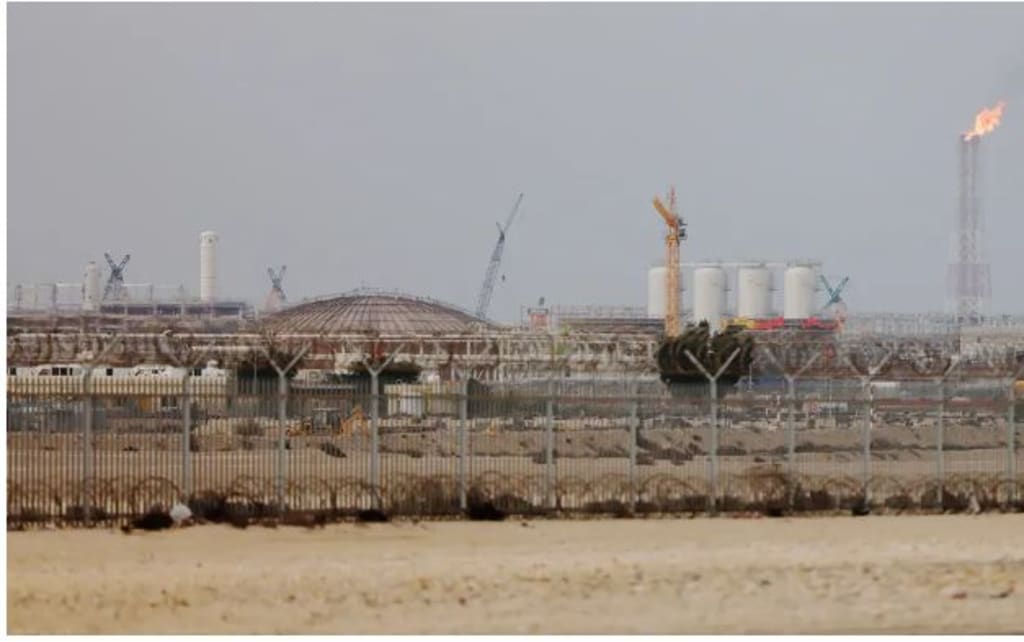
The global energy market has been shaken to its core. Recent reports reveal that Iranian strikes on Qatar’s liquefied natural gas (LNG) infrastructure could slash 17% of the country’s export capacity for the next 3–5 years. That’s not just a regional disruption—it’s a global event with far-reaching consequences.
If you’re wondering why this matters so much, here’s the simple answer: Qatar isn’t just any exporter. It’s one of the largest LNG suppliers in the world, and when its supply is hit, the entire energy chain feels the impact.
⚡ What Exactly Happened?
The strikes reportedly targeted critical facilities in Ras Laffan, Qatar’s main LNG production hub. This is where massive volumes of gas are processed, liquefied, and shipped worldwide.
Damage to this infrastructure isn’t something that can be fixed overnight. LNG plants are highly complex, and repairs could take years—not months. That’s why experts are warning of a prolonged supply gap rather than a short-term disruption.
📉 Why 17% Is a Big Deal
Losing 17% of Qatar’s LNG output translates into millions of tons of gas removed from the global market annually.
Here’s why that’s huge:
LNG demand is already high, especially after recent global supply shifts
Many countries rely on Qatar as a stable, long-term supplier
There are limited backup sources that can quickly fill the gap
In simple terms: less supply + steady demand = higher prices and tighter markets
💸 Immediate Impact on Prices
Markets reacted instantly.
Gas prices surged sharply, especially in Europe
Oil prices also jumped as traders anticipated broader supply risks
Energy companies saw stock volatility as investors scrambled to adjust
This kind of reaction shows just how sensitive global markets are to disruptions in key regions like the Gulf.
🌐 Who Will Be Hit the Hardest?
🇪🇺 Europe
Europe could feel the strongest impact. Over the past few years, it has increasingly relied on LNG imports to secure its energy needs. With Qatari supply reduced, competition for cargoes will intensify.
🇨🇳 🇰🇷 Asia
Major Asian economies like China and South Korea are also heavily dependent on LNG. Long-term contracts may be disrupted, and spot market prices could spike.
🌍 Developing Countries
Smaller economies may suffer the most. They often can’t compete with wealthier nations for expensive LNG cargoes, leading to potential energy shortages.
🛢️ A New Phase of Energy Conflict
This isn’t just about supply—it’s about strategy.
Targeting energy infrastructure marks a shift toward energy warfare, where countries hit economic lifelines instead of just military targets. LNG facilities are especially vulnerable because they are centralized and difficult to replace.
This raises serious concerns:
Will more energy assets be targeted?
Could other Gulf producers be next?
How secure are global supply chains?
⏳ Why Recovery Will Take Years
Unlike oil wells, LNG infrastructure is not easy to rebuild.
Here’s why recovery could take 3–5 years:
Facilities are technologically complex
Repairs require specialized equipment and expertise
Security risks may delay reconstruction
Supply chains for parts and materials are already tight
This means the market must adapt to a long-term supply shortage, not just a temporary disruption.
📈 Are There Any Winners?
Surprisingly, yes—some players could benefit.
🇺🇸 United States
U.S. LNG exporters may see a surge in demand as countries look for alternative suppliers.
🇦🇺 Australia
Australia, another major LNG producer, could also gain market share.
💼 Energy Companies
Firms involved in LNG production and shipping may benefit from higher prices and increased demand.
However, even these winners may struggle to fully replace Qatar’s lost capacity.
🚢 The Strait of Hormuz Risk
The situation becomes even more dangerous when you consider the Strait of Hormuz—one of the world’s most critical energy shipping routes.
If tensions escalate further:
Tanker traffic could be disrupted
Oil and gas shipments could slow down
Global prices could spike even higher
This adds another layer of uncertainty to an already fragile situation.
🏛️ Global Political Reactions
Governments around the world are watching closely.
Calls for de-escalation are growing louder
Energy security is back at the top of policy agendas
Discussions about diversifying supply sources are intensifying
For many countries, this crisis is a wake-up call: relying too heavily on a single region can be risky.
🔮 What Happens Next?
The big question now is: How will the world adapt?
Possible outcomes include:
Increased investment in alternative energy sources
Expansion of LNG production in other countries
Strategic reserves being used more actively
Stronger protection of critical infrastructure
At the same time, geopolitical tensions could either ease—or escalate further.
🧠 Final Thoughts
The reported loss of 17% of Qatar’s LNG capacity is more than just an energy story—it’s a global turning point.
It highlights how interconnected the world has become, where a single strike in one region can ripple across continents. From rising energy bills to shifting geopolitical alliances, the effects will be felt everywhere.
One thing is certain:
The global energy landscape is entering a new, more uncertain era—and the consequences of this disruption will likely last for years.
What do you think—will global markets stabilize, or is this just the beginning of a bigger energy crisis?
About the Creator
Author’s Advice
If you would’ve asked me 20 years ago did I know I’d become a writer and an author, I would’ve said “nope, ain’t happening”. As fate would have it I did become an author and I can honestly say I’m loving it so far. It really does feel good to be a writer. I’ve learned a lot on this journey and I feel like with even me being as new to this world as I am, there’s some wisdom I need to share with every other aspiring author.
By Joe Patterson24 days ago in Journal
“The Crypted Path of the Druids.”
Within the eerie setting of a crypt, this story artfully interweaves threads of mystery and the supernatural, all while featuring a deeply unsettling ghost that contributes to its atmospheric dread.
By Pseudonym “Kathy,” though my legal name is Chantel.a day ago in Journal



Comments
There are no comments for this story
Be the first to respond and start the conversation.