
Silicon Valley Quietly Rallies Behind Anthropic: The AI Power Play You Didn’t See Coming
How Anthropic is becoming the industry’s most strategically backed contender
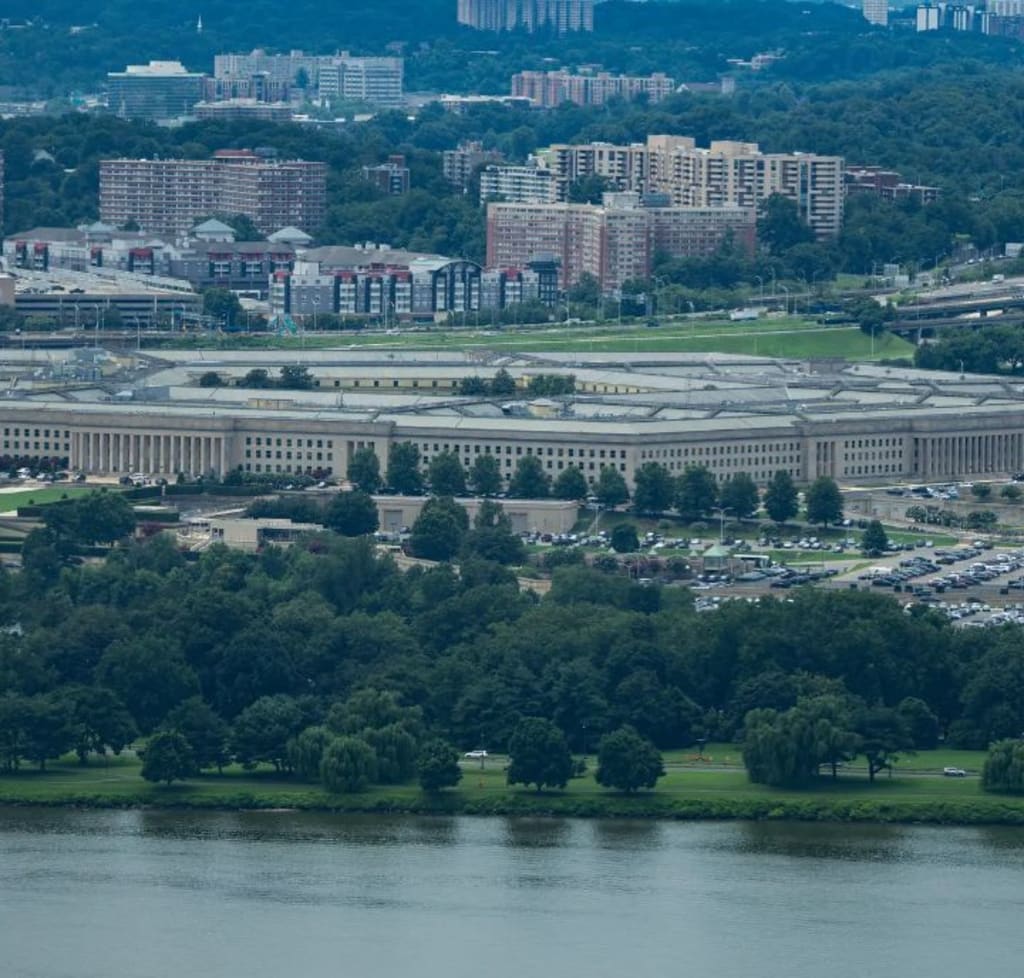
In the fast-evolving world of artificial intelligence, the loudest moves are not always the most important ones. While headlines often spotlight flashy product launches and billion-dollar valuations, a quieter shift is taking place behind closed doors. Across Silicon Valley, a growing coalition of investors, engineers, and tech leaders is aligning itself with one company: Anthropic.
This behind-the-scenes support signals more than just confidence in another AI startup—it reveals a strategic recalibration in how the tech industry views the future of artificial intelligence.
The Rise of a Different Kind of AI Company
Founded by former researchers from OpenAI, Anthropic has positioned itself as a company focused not just on building powerful AI, but on building safe and interpretable AI systems. Its flagship AI assistant, Claude, competes directly with leading models in the market, but the company’s ethos sets it apart.
Rather than chasing rapid commercialization alone, Anthropic emphasizes long-term alignment—ensuring that AI systems behave in ways that are predictable and beneficial to humanity. This approach has resonated deeply with a segment of Silicon Valley that is increasingly concerned about the unintended consequences of unchecked AI development.
Quiet Capital, Strategic Backing
Unlike the splashy funding announcements that dominate tech headlines, much of the support for Anthropic has come in quieter forms—strategic investments, infrastructure partnerships, and talent migration.
Major players like Google and Amazon have both invested heavily in Anthropic, not just financially but operationally. Cloud credits, compute resources, and deep integration into their ecosystems have given Anthropic a powerful backbone.
This kind of support is critical in the AI race. Training large language models requires enormous computational resources, and partnerships with cloud giants effectively level the playing field against competitors with deeper in-house infrastructure.
Yet what’s most interesting is not just the involvement of these tech giants—but the broader ecosystem quietly aligning behind Anthropic. Venture capital firms, independent researchers, and even former employees of rival companies are increasingly gravitating toward its mission.
A Shift in Silicon Valley’s AI Philosophy
For years, Silicon Valley has operated on a “move fast and break things” philosophy. But AI is not social media or e-commerce—it carries far greater societal implications.
As concerns around misinformation, bias, and existential AI risks grow, many in the tech community are rethinking that approach. Anthropic’s focus on “constitutional AI”—a method designed to guide AI behavior using explicit principles—has become a focal point for this new mindset.
This shift reflects a broader realization: the companies that win the AI race will not just be the most powerful, but the most trusted.
Talent Migration and Intellectual Gravity
Another telling sign of Anthropic’s growing influence is the steady flow of talent toward the company. Engineers and researchers from across the AI landscape are choosing to work there, drawn by both its mission and its technical challenges.
In Silicon Valley, talent is often the most reliable indicator of future success. Where the best minds go, innovation follows.
Anthropic’s ability to attract top-tier researchers suggests that its approach is not only philosophically appealing but technically compelling. The company is becoming a hub for those who want to shape AI responsibly without sacrificing ambition.
Competition Without the Noise
Despite its growing influence, Anthropic has largely avoided the kind of public rivalry that defines much of the tech industry. While companies like OpenAI and others dominate headlines, Anthropic has maintained a relatively low profile.
This doesn’t mean it’s not competing—it absolutely is. But its strategy appears to focus on long-term positioning rather than short-term attention.
By building strong partnerships, investing in safety research, and scaling its models methodically, Anthropic is playing a different game. It’s not just trying to win the current AI race—it’s trying to define what winning should look like.
Why Silicon Valley Is Paying Attention
The quiet backing of Anthropic is not accidental. It reflects a convergence of interests across the tech ecosystem:
Risk mitigation: Companies want AI systems that won’t create regulatory or reputational disasters.
Strategic diversification: Supporting Anthropic provides an alternative to relying on a single dominant AI provider.
Long-term vision: Many believe that safety-focused AI will ultimately prove more sustainable and profitable.
In this context, Anthropic is not just another startup—it’s a strategic hedge, a philosophical statement, and a technological bet all at once.
The Road Ahead
The AI landscape is still in its early stages, and the ultimate winners are far from determined. But one thing is clear: the dynamics are shifting.
Anthropic’s rise, fueled by quiet but powerful support from Silicon Valley, suggests that the industry is entering a new phase—one where responsibility and capability must go hand in hand.
As governments begin to regulate AI and public scrutiny intensifies, companies that have built trust into their foundations may find themselves with a decisive advantage.
Final Thoughts
The story of Anthropic is not one of sudden disruption or headline-grabbing innovation. Instead, it’s a story of careful alignment, strategic partnerships, and a growing consensus around what the future of AI should look like.
While the spotlight may be elsewhere for now, the real action is happening behind the scenes. And if Silicon Valley’s quiet support is any indication, Anthropic may be far more central to the future of AI than many realize.
In a world obsessed with speed and scale, Anthropic is betting on something different: that the most important breakthroughs are the ones built to last.
About the Creator
Author’s Advice
If you would’ve asked me 20 years ago did I know I’d become a writer and an author, I would’ve said “nope, ain’t happening”. As fate would have it I did become an author and I can honestly say I’m loving it so far. It really does feel good to be a writer. I’ve learned a lot on this journey and I feel like with even me being as new to this world as I am, there’s some wisdom I need to share with every other aspiring author.
By Joe Patterson24 days ago in Journal
India is preparing to embroil Pakistan in a potential conflict on its borders,
India is preparing to embroil Pakistan in a potential conflict on its borders, According to defense and diplomatic experts, relations between India and Israel have been strengthening for the past several years
By Malik Sarfraz Hussain Awan6 days ago in Journal




Comments
There are no comments for this story
Be the first to respond and start the conversation.