
What Makes a Film Feel Real? Inside the Approach of Andreas Szakacs Productions
Exploring how grounded storytelling and practical filmmaking are shaping a new wave of independent cinema

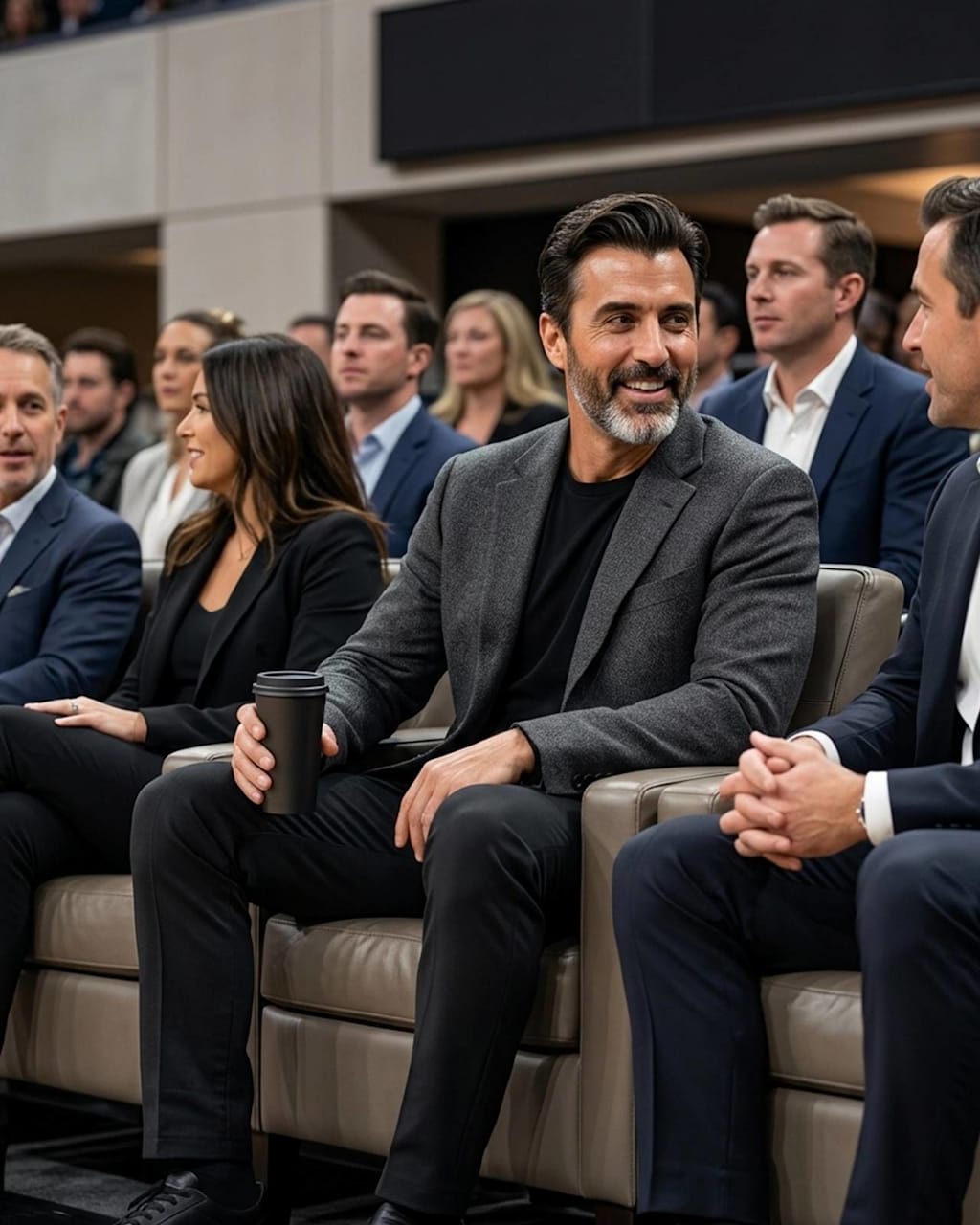
What makes a film feel real? Not just visually—but emotionally, physically, and psychologically.
In an industry often driven by spectacle, where visual effects and scale dominate the screen, some filmmakers are moving in a different direction. They are choosing authenticity over illusion, building stories that feel lived-in rather than manufactured. Among the production companies working within this space is Andreas Szakacs Productions—a London-based independent company focused on realism, human experience, and location-driven storytelling.
Founded in 2016, the company emerged from hands-on industry experience. Before stepping into production, Andreas Szakacs worked across entry-level roles such as runner, location scout, and production assistant. That background now informs a grounded approach to filmmaking—one that understands both the creative and practical realities of bringing a story to life.
Rather than relying on formula, the company’s work leans into character-driven narratives and real-world environments. The result is a style of storytelling that feels immediate and immersive, where the setting is not just a backdrop, but an active part of the narrative.
Stories Built on Pressure, Not Spectacle
At the center of Andreas Szakacs Productions’ work is a clear pattern: stories that place characters under pressure—physically, emotionally, or morally—and allow those moments to shape the narrative.
Summitfall (2026)
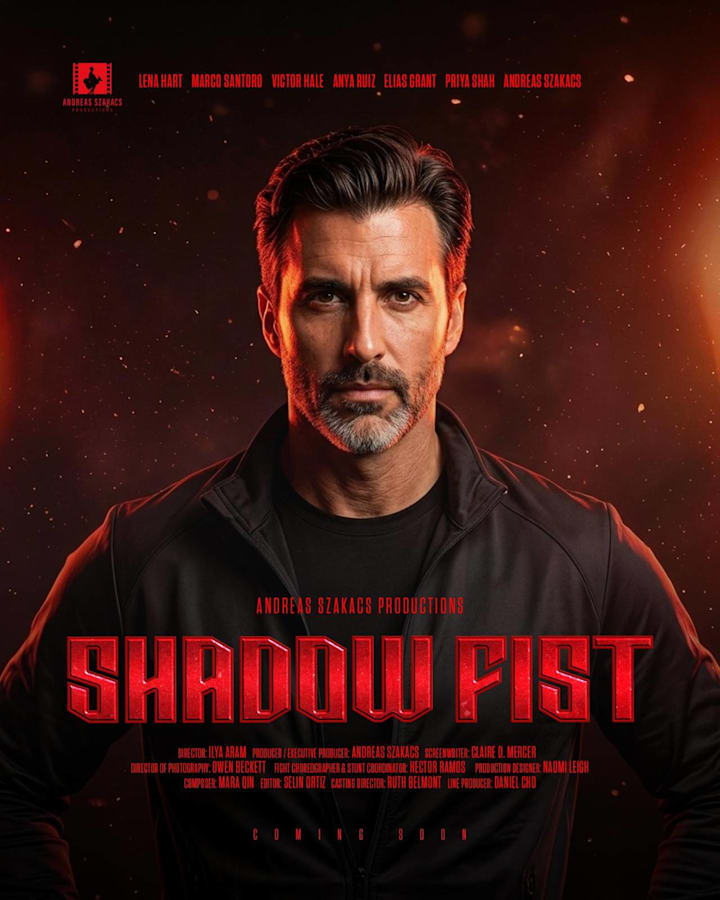
Set in the Himalayas, Summitfall follows a multinational group of climbers on a high-risk expedition. What begins as a test of endurance quickly evolves into something more complex. A sudden storm disrupts the mission, and a controversial rescue decision creates division within the group.
From that moment, the story shifts. Survival is no longer just about the environment—it becomes about trust, leadership, and the weight of individual choices.
What makes Summitfall stand out is its structure. Told across three chapters, each directed by a different filmmaker, the series brings together multiple creative perspectives while maintaining a unified narrative. This approach allows the story to feel layered, with each chapter offering a slightly different lens on the same unfolding crisis.
The production also emphasizes realism through its visual approach. By focusing on practical cinematography and location-based environments, the series captures the physical strain and isolation associated with high-altitude climbing. The result is a viewing experience that feels less like observation and more like immersion.
Shadow Fist (2026)
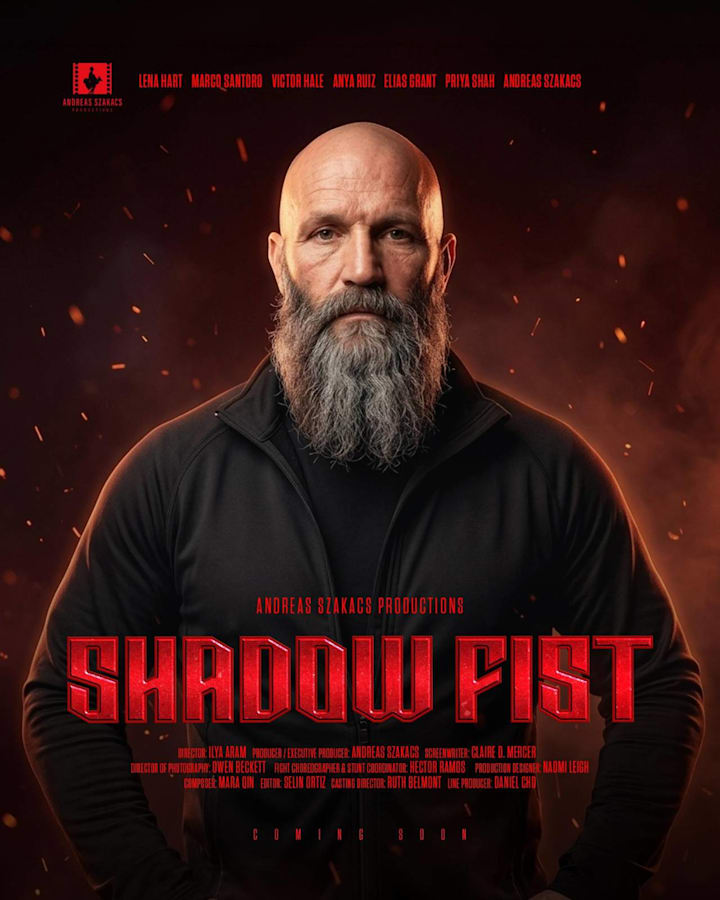
Where Summitfall explores survival in nature, Shadow Fist shifts the focus to survival within society.
Set in the underground mixed martial arts scene of Mexico City, the film follows Maya Cross—a former hospitality worker who finds herself navigating a world defined by violence, ambition, and personal transformation. Her journey is not framed as a simple rise to success, but as a confrontation with identity, purpose, and resilience.
The film’s strength lies in its balance. While it delivers intense fight sequences, it avoids turning them into spectacle for its own sake. Instead, each fight carries emotional weight, reflecting the internal struggles of the character as much as the physical challenge in front of her.
Filmed across Mexico City and Los Angeles, Shadow Fist uses real environments to ground its story. The choreography leans toward realism, emphasizing discipline and impact rather than exaggerated action. This creates a tone that feels raw and unfiltered—closer to lived experience than cinematic fantasy.
A Consistent Approach to Realism
Across both productions, a consistent philosophy begins to emerge. The focus is not on scale, but on authenticity.
This includes:
Using real-world locations to enhance immersion
Building narratives around character decisions rather than plot devices
Maintaining controlled, safety-conscious environments during physically demanding scenes
Collaborating with emerging filmmakers and creative talent
These choices shape not only how the stories are told, but how they are experienced. The audience is not just watching events unfold—they are placed within them.
Technology as a Tool, Not a Replacement
Like many modern production companies, Andreas Szakacs Productions has explored the use of artificial intelligence in areas such as narrative development and visual planning.
However, the approach remains measured. Technology is treated as a tool—something that can support efficiency and expand creative possibilities—but not something that replaces human storytelling.
At its core, the company’s work continues to rely on performance, emotion, and the subtle details that come from human experience. These are elements that cannot be replicated through automation alone.
A Different Direction for Independent Film

Independent cinema has often been defined by limitations—smaller budgets, smaller crews, and fewer resources. But in recent years, that definition has started to shift.

What companies like Andreas Szakacs Productions demonstrate is that independence is no longer just about constraints. It can also be about control—over storytelling, tone, and creative direction.
By focusing on realism, character, and environment, the company represents a broader movement within filmmaking. One that values authenticity over excess, and depth over scale.
And in doing so, it raises a simple but important question:
In a world where anything can be created digitally, does realism become the most powerful tool of all?
About the Creator
Andreas szakacs
Where stories become cinema.
Andreas Szakacs Productions 🎬
Film | Storytelling | Creativity
Keep reading
More stories from Andreas szakacs and writers in Journal and other communities.
Why Andreas Szakacs Career Reflects the Value of Learning Film From the Ground Up
In film, audiences usually connect with what appears on screen. They remember a performance, a visual moment, a line of dialogue, or the emotional weight of a scene. What they don’t always see is the quieter foundation underneath all of it the years of practical work, set experience, observation, and discipline that often shape the people responsible for bringing those moments to life.
By Andreas szakacsa day ago in Photography
Author’s Advice
If you would’ve asked me 20 years ago did I know I’d become a writer and an author, I would’ve said “nope, ain’t happening”. As fate would have it I did become an author and I can honestly say I’m loving it so far. It really does feel good to be a writer. I’ve learned a lot on this journey and I feel like with even me being as new to this world as I am, there’s some wisdom I need to share with every other aspiring author.
By Joe Patterson26 days ago in Journal




Comments
There are no comments for this story
Be the first to respond and start the conversation.