
10 Best Foods for Hormonal Balance and Menstrual Health
Healthy Eating Tips to Promote Hormone Balance and Period Comfort

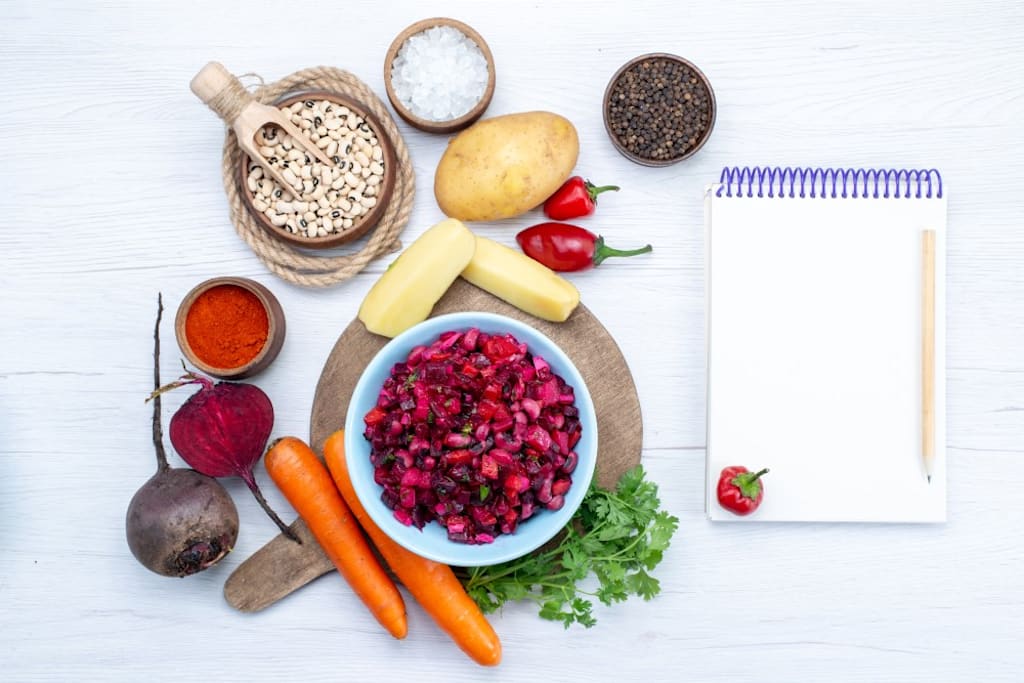
The reproductive health of women is highly influenced by hormones. Two of the important ones are estrogen and progesterone. These dictate menstruation, pregnancy, and other bodily functions. While lifestyle practices and genetics play a role in controlling menstrual health, nutrition is also one of the important factors that impact the endocrine system.
In this blog, we will explore 10 best foods (and beyond) that bring the right hormonal balance for menstrual wellness.
How Diet Affects Hormones and Menstrual Health
Hormones influence insulin sensitivity, energy levels, sexual well-being, cravings, and other systems. So, it is important to understand how nutrients you include in your diet affect menstrual health and hormones.
· Progesterone Production: Hormones are created from fat and cholesterol. So, a diet that lacks healthy lipids can impact the production of progesterone. This hormone prevents premenstrual syndrome and related symptoms or discomforts.
· Liver Toxification: The liver breaks down the estrogen already used by the body. However, liver disorders can make it function slowly or metabolize elements, leading to toxicity as wastes do not process properly. These used estrogens get into the bloodstream and cause estrogen overdose.
· High Blood Sugar: Rise in blood sugar levels can cause the ovaries to release extra androgens (works like testosterone). This leads to irregular periods, acne, and other menstrual problems.
Top 10 Foods for Hormonal Balance
Here are some superfoods that you can add to your weekly food menu to support hormonal balance, endocrine and reproductive system proper functioning, and menstrual cycle regulation.
1. Flaxseeds
Flaxseeds contain lignans – a phytoestrogen that helps in stabilizing estrogen levels in the body. Lignans function as regulators. So, if the estrogen levels increase too much, it may restrict some of the hormonal side effects. Plus, if the levels of estrogen become too low, then it may enhance the hormone quantity. Flaxseeds also have fiber that may assist in eliminating estrogen waste.
2. Broccoli and Cruciferous Vegetables
Cauliflower, kale, and broccoli contain Indole-3-Carbinol (I3C), a compound that the body transforms into DIM (Diindolylmethane). For liver detoxification, DIM aids this organ to process estrogen into healthy metabolites. It does not convert the estrogen to bad metabolites, which are otherwise responsible for heavy menstrual bleeding.
3. Wild-Caught Salmon
Wild-caught salmon is high in Omega-3 fatty acids, acting as a natural anti-inflammation agent. These healthy fats reduce the release of prostaglandin – a chemical that leads to uterine contractions and cramping. Thus, it protects against painful abdominal cramps during menstruation.
4. Avocado
Plant sterols and monounsaturated fats are a part of avocados. The sterols may block extra absorption of estrogen, and ease progesterone production. This fruit is also rich in potassium, reducing bloating and water retention – two common PMS symptoms.
5. Leafy Greens (Spinach and Swiss Chard)
Magnesium is a relaxant and found in plenty in leafy greens such as Swiss Chard and Spinach. This mineral is essential for pituitary gland function that regulates the release of FSH (follicle-stimulating hormone). Magnesium also reduces muscle tension and headaches during menstrual cycles.
6. Pumpkin Seeds
Pumpkin seeds are rich in Zinc, a vital mineral for follicles to produce progesterone hormone following ovulation. Zinc is also necessary for balancing the egg quality and thus important for fertility. This nutrient is good to have in luteal and follicular phases.
7. Sweet Potatoes
In the week before your menstruation bleeding (luteal phase), complex carbohydrates help release glucose. This nutrition is possible by eating sweet potatoes. It tackles hunger, and associated mood swings caused by hunger pangs or food cravings, as the progesterone hormones fluctuate. Sweet potatoes also contain Vitamin B6, needed for serotonin synthesis for balancing moods in periods.
8. Fermented Foods (Kimchi and Sauerkraut)
Probiotic-rich fermented foods such as Sauerkraut and Kimchi, apart from Yogurt, and others – contain the gut bacteria, estrobolome that metabolize estrogen. It ensures the gut environment remains stable to restrict the reabsorption of hormone wastes.
9. Walnuts
Containing Omega-3 fatty acids and polyphenols, walnuts support mood stability and brain function during menstrual cycles, and otherwise as well. Walnuts also have melatonin, useful to help with sleep, required for hormonal balance and regulation.
10. Turmeric
Curcumin is the active compound in Turmeric. This is good for liver health and has anti-inflammatory properties. Turmeric is crucial in preventing systemic inflammation. In periods, curcumin reduces joint pain and breast tenderness – two symptoms of premenstrual phase.
Foods That May Disrupt Hormonal Balance
Nutrition can change the way the body functions. While some foods support the endocrine system, others can cause inflammation and hormonal issues. Here are some foods to avoid during menstruation and in your overall eating habits.
· Alcohol Intake: Overconsumption of alcohol can affect the nervous system, leading to stress and inflammation, affecting fertility and reproductive health. Alcohol also affects the liver function, making the ethanol processing slower, as a result diminishing liver’ ability to flush out excessive estrogen.
· Sugary Foods: Intake of excessive sugar can disturb ovulation because of an increase in insulin and cortisol levels.
· Cow Milk: While dairy products are healthy, during menstruation, some women may see an increase in bloating and acne on taking cow milk. So, if you have any such experiences, restrict intake of dairy items in periods.
· Vegetable Oils: High in Omega-6 fatty acids, oils processed from corn and soyabean may increase the fatty acids levels more than necessary. This can increase the release of prostaglandins, worsening uterine contractions and cramps.
Tips for Building a Hormone-Friendly Diet
Choosing a diet that would support hormonal balance does not need drastic changes. Here is how you can reorganize what you eat gradually, and ensure menstrual wellness.
· Eating Right for Periods: When you are close to the follicular phase, eat light foods that cool down your stomach. After periods get over, you may transcend to a diet that contains warm and grounding foods. In the luteal phase or before period, you may opt for complex carbohydrates in meals.
· Avoid Caffeine: Caffeinated beverages may have some benefits, but largely problematic during periods. Avoid caffeine intake on an empty stomach as it may increase stress hormone, cortisol levels. They can also cause stomach upset and disrupt sleep cycles. Switch to electrolyte drinks, ginger or herbal teas to relax your uterus.
· Depend on Fiber: Including 25-35 grams of fiber in your daily diet can help reduce hormone wastes in the digestive tract. It also allows the liver to process the excreted hormones and remove them from the system easily.
· Rich Protein Sources: To keep the blood glucose levels stable, if you eat protein-rich foods such as lean meats, eggs, and beans – you can stay high on energy, especially if you are susceptible to lethargy and fatigue during menstruation.
Conclusion
By adding the right nutrition in diet and the food sources that maintain hormonal balance, your body will thank you during menstrual cycles. Small changes can start from today as you shape your diet around the goal of improving mood, energy, and overall menstrual health for the long run.
About the Creator
Jessica Perry
Safeabortionrx provides safe, prescribed abortion pills online with 24/7 free consultations service for a successful medication abortion.
Keep reading
More stories from Jessica Perry and writers in Lifehack and other communities.
How Long Do Pregnancy Hormones Last After Abortion?
The pregnancy hormone, hCG (Human Chorionic Gonadotropin) is produced naturally in the body during conception. This hormone is vital in development and maintenance of the uterine lining where the fertilized egg implants. It also helps in the fetal growth, staying at peak levels especially in the first trimester of the pregnancy. If you recently had an abortion, you may wonder how long hCG hormone would stay in your system.
By Jessica Perry14 days ago in Lifehack
How to Fix Driveway Cracks: DIY Tips, Professional Solutions, and Prevention
Your driveway isn’t just a pathway to your garage—it’s a critical part of your home’s curb appeal and long-term value. Over time, cracks appear due to weather, heavy vehicles, or soil movement. Left untreated, these cracks can worsen, leading to expensive replacements or even safety hazards.
By Neck Akilaa day ago in Lifehack
What is the 963 Hz Tuning Fork Good For?
Sound is more than just a vibration we hear—it has the power to heal, energize, and even awaken higher consciousness. Among the many tools in sound therapy, the 963 Hz tuning fork stands out for its unique ability to harmonize the mind, body, and spirit. Whether you’re curious about spiritual growth or seeking a natural method for emotional balance, understanding the 963 Hz frequency can open new possibilities in your wellness journey.
By Adria Hargrave3 days ago in Lifehack
Swan
“During the Metal Age, humans took photographs of everything beautiful, which was everything, yet machines did not even wear shoes. The Fauxna thought of a better way. They colored all of the light rose, for a corrupted source cannot be verified.” - Origin Parable, 011
By Nicky Frankly5 days ago in Fiction



Comments
There are no comments for this story
Be the first to respond and start the conversation.