
The Psychology of People Who Go Silent When They’re Hurt
"Why silence is often louder than words"


We’ve all experienced it at some point—someone gets hurt, and instead of arguing, explaining, or expressing their emotions, they go completely silent. No messages. No reactions. No visible anger. Just… distance.
At first glance, this silence can feel confusing, even frustrating. It may come across as cold, dismissive, or passive-aggressive. But in reality, silence is rarely empty. It is often filled with unspoken thoughts, overwhelming emotions, and deeply rooted psychological patterns.
Understanding why people go silent when they’re hurt can completely change how we interpret their behavior—and how we respond to it.
Silence Is a Form of Emotional Protection :
When a person feels hurt, their mind doesn’t always respond with words. Sometimes, it shifts into self-protection mode.
This is closely related to the concept of emotional regulation—the ability to manage and control emotional responses. Not everyone has the same capacity to express emotions instantly. For some, silence is the safest option.
Instead of reacting impulsively, saying something harsh, or escalating the situation, they withdraw. Silence becomes their shield.
In their mind, staying quiet is better than risking more damage.
The Fear of Being Vulnerable :
Expressing pain requires vulnerability. And vulnerability is uncomfortable—especially for people who have learned that opening up can lead to rejection, misunderstanding, or emotional pain.
These individuals may think:
- “What if they don’t understand me?”
- “What if I sound weak?”
- “What if my feelings don’t matter?”
This behavior often connects to attachment patterns developed early in life. People with avoidant tendencies are more likely to pull away when they feel hurt instead of seeking comfort.
So instead of saying, “You hurt me,” they say nothing at all.
Silence Means They’re Processing, Not Ignoring :
Not everyone processes emotions out loud.
Some people need time. They think deeply before they speak. They replay situations in their minds, analyze every detail, and try to understand what they’re feeling before expressing it.
For them, silence is not avoidance—it’s processing.
They are:
- Trying to make sense of what happened
- Sorting through their emotions
- Deciding how (or if) to respond
In a world that expects instant reactions, this kind of emotional processing can easily be misunderstood.
It’s Often a Learned Behavior :
Silence doesn’t come from nowhere. It is often learned.
If someone grew up in an environment where:
- Expressing emotions led to punishment
- Their feelings were dismissed
- Conflict was unsafe or chaotic
They may have adapted by becoming quiet.
Over time, this becomes automatic. Instead of speaking up, their mind defaults to silence because it once kept them safe.
Even as adults, they may continue using the same coping mechanism—without realizing it.
Avoiding Conflict Feels Safer :
For some people, conflict feels overwhelming. Arguments can trigger anxiety, stress, or even fear.
Rather than confronting the issue, they choose silence to:
- Avoid escalation
- Maintain peace
- Protect their mental state
While this might prevent immediate conflict, it often creates long-term misunderstandings.
Unspoken issues don’t disappear—they just go deeper.
Silence Doesn’t Mean They Don’t Care :
This is one of the biggest misconceptions.
When someone goes silent, it doesn’t necessarily mean they’re indifferent. In many cases, it means the opposite.
They might be:
- Deeply hurt
- Emotionally overwhelmed
- Afraid of making things worse
Sometimes, the more someone cares, the harder it becomes for them to express their feelings clearly.
So they choose silence—not because they feel nothing, but because they feel too much.
When Silence Becomes a Problem :
While silence can be a healthy short-term response, it becomes harmful when it turns into emotional distance.
There’s a difference between:
- Taking time to cool down
- Completely shutting someone out
Long-term silence can lead to:
- Miscommunication
- Resentment
- Emotional disconnection
Relationships need communication to survive. Without it, even strong connections can weaken over time.
How to Respond to Silence :
If someone goes silent when they’re hurt, the worst thing you can do is assume their intentions.
Instead:
- Give them space, but not abandonment
- Show patience without pressure
- Let them know you’re open to listening
A simple, calm message like, “I’m here when you’re ready to talk,” can make a huge difference.
It creates safety without forcing vulnerability.
Final Reflection :
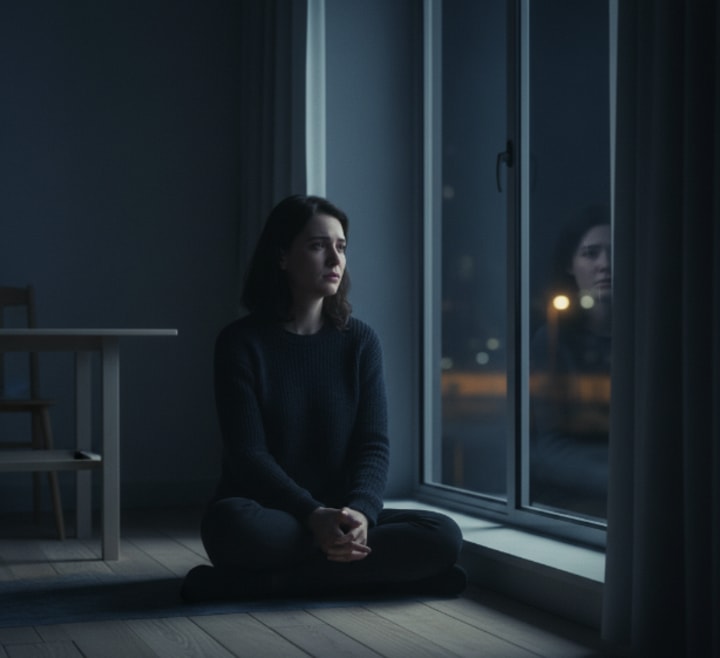
Silence is not always a sign of weakness or indifference. Often, it is a complex emotional response shaped by past experiences, personality, and coping mechanisms.
People who go silent when they’re hurt are not trying to push others away. In many cases, they are trying to protect themselves from further pain.
Understanding this doesn’t mean accepting poor communication—but it allows us to respond with empathy instead of judgment.
Because sometimes, the quietest reactions carry the loudest emotions.
About the Creator
Keep reading
More stories from Shahid Zaman and writers in Psyche and other communities.
What Your Therapist Knows But Won’t Tell You: Confessions From Inside the Therapy Room
Therapy ls like a mysterious place. You sit in a quiet room, talk about your thoughts and struggles, and across from you sits someone who listens carefully, occasionally asking questions that seem almost too accurate.
By Shahid Zaman3 days ago in Psyche
The Friendship Recession: Why Adults Are Struggling To Build Close Relationships
This is a universal phenomenon that is affecting both individual and collective psyches. Humans thrive on companionship. The pandemic is solely to blame, however that particular far from auspicious time is not really to blame. The no-friends-trend-turned-friendship-recession, bringing forth the loneliness epidemic was a thing before 2020.
By Justine Crowleyabout 9 hours ago in Psyche
The Night I Stayed Awake
Most nights pass quietly and without much thought. We finish our daily routines, turn off the lights, and drift into sleep, hoping to wake up refreshed for another day. But sometimes there are nights that feel different. Nights when sleep refuses to come. Nights when the mind becomes louder than the world around it. For me, it was the night I stayed awake, staring at the ceiling while countless thoughts moved through my mind. When Sleep Refuses to Come It began like any ordinary evening. I finished dinner, spent some time on my phone, and prepared to go to bed. The house was quiet, and the lights were off. Normally, this is the moment when my mind begins to slow down. But that night, something felt different. I turned off the lamp beside my bed and closed my eyes, expecting sleep to arrive within minutes. Instead, my mind began replaying the entire day. Small conversations. Things I should have said differently. Tasks I had postponed. Worries about the future. The more I tried to ignore these thoughts, the louder they became. The Silence of the Night There is something unique about the middle of the night. During the day, life moves quickly. There are distractions everywhere—phones, work, conversations, and responsibilities. These distractions keep our minds busy and prevent us from thinking too deeply. But at night, when everything becomes quiet, those thoughts return. As the hours passed, the silence in my room felt heavier. I could hear the faint ticking of the clock on the wall and the occasional sound of a car passing outside. It felt like the world had paused. But my mind hadn’t. Thinking About Life Lying awake in the darkness gives you a strange perspective on life. Without the distractions of the day, you begin to think about things you usually ignore. Questions appear that you don’t normally ask yourself. Am I moving in the right direction? Am I making the most of my time? Am I appreciating the people around me enough? These questions are not always comfortable, but they are important. That night, I realized how rarely we allow ourselves to pause and reflect on our lives. The Weight of Worries Part of what kept me awake that night was worry. Everyone carries some level of worry—about work, family, finances, or the uncertainty of the future. Most of the time, we push these worries aside because we are busy dealing with daily responsibilities. But when the world becomes quiet, those worries often return. The challenge is learning how to face them without letting them control us. As I lay there staring at the ceiling, I slowly began to understand that worrying endlessly doesn’t solve anything. It only steals the peace of the present moment. A Different Kind of Night Eventually, I stopped trying to force myself to sleep. Instead, I sat up in bed and looked out the window. The street outside was calm, illuminated only by a few distant lights. For a moment, everything felt still. And in that stillness, something unexpected happened. My thoughts began to settle. The worries that had seemed overwhelming earlier now felt smaller, almost manageable. Sometimes the mind simply needs time to process everything it has been carrying. A Lesson From a Sleepless Night That night taught me something valuable. Sleep is important, of course. But occasionally, a sleepless night can also offer a rare opportunity for reflection. It allows us to step away from the noise of daily life and reconnect with our thoughts. It gives us the chance to examine our worries, our goals, and the direction we are heading. In a strange way, that quiet night helped me feel more clear about my life than many busy days ever had. Morning Arrives Eventually, the sky outside began to brighten. The first light of morning slowly filled the room, and the world started waking up again. Birds began to chirp, and distant sounds of early traffic appeared. Ironically, that was the moment when sleep finally began to arrive. But by then, I didn’t feel frustrated anymore. Instead, I felt calm. Final Thoughts We often think of sleepless nights as something negative, something to avoid at all costs. And while rest is essential for our health, not every restless night is meaningless. Sometimes, those quiet hours allow us to reflect on our lives in ways we rarely do during the day. The night I stayed awake reminded me that life is not only about rushing from one task to another. Sometimes, it’s about pausing, listening to our thoughts, and learning from the silence. And occasionally, the lessons we discover in the quiet darkness of the night stay with us long after the sun rises.
By Shoaib Afridi5 days ago in Psyche


Comments
There are no comments for this story
Be the first to respond and start the conversation.