
Pakistan’s Successful Repayment of $1.3 Billion Eurobond
Economic Impact and Future Implications

Introduction
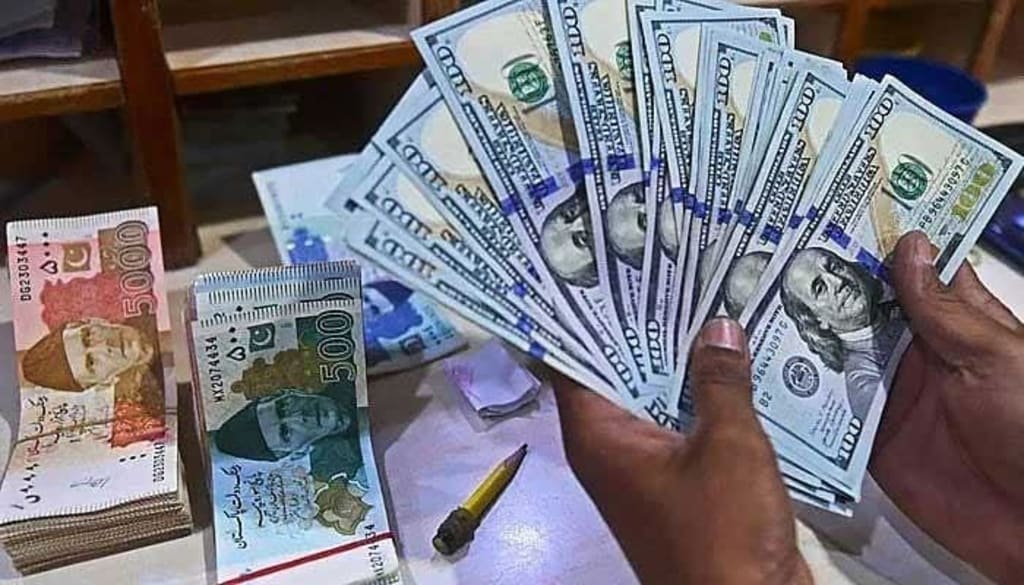
In April 2026, Pakistan made headlines by successfully repaying its $1.3 billion Eurobond, marking a significant milestone in its ongoing efforts to stabilize the national economy and strengthen international credibility. This repayment, while a routine debt obligation on paper, carries broader implications for Pakistan’s financial health, investor confidence, and geopolitical positioning.
The move comes amid global economic uncertainty, regional tensions related to the ongoing Iran conflict, and domestic economic pressures. It signals Pakistan’s intent to honor international commitments and maintain fiscal discipline despite mounting challenges.
The Debt Repayment: Key Facts
The Eurobond repayment of $1.3 billion included both principal and accrued interest, totaling around $1.43 billion. The bond, which matured on 8 April 2026, represents a significant portion of Pakistan’s foreign debt obligations.
The repayment coincided with other financial obligations, such as partial settlement of loans from the United Arab Emirates, highlighting Pakistan’s commitment to meeting international lenders’ expectations even under tight fiscal conditions. Analysts note that this strategic timing demonstrates both financial prudence and diplomatic awareness. (Reuters)
Impact on Pakistan’s Economy
1. Foreign Exchange Reserves
Pakistan’s foreign exchange reserves stood at approximately $16.4 billion as of late March 2026. The Eurobond repayment accounted for roughly 18% of these reserves, representing a substantial outflow but also signaling fiscal responsibility.
Maintaining reserve levels is crucial, especially with the country operating under a $7 billion IMF program. IMF guidelines require reserves to remain above $18 billion by mid-2026. Successfully navigating these obligations reinforces Pakistan’s position as a reliable borrower and mitigates the risk of default.
2. Investor Confidence and Credit Ratings
International investors closely monitor sovereign debt repayments. Pakistan’s timely Eurobond settlement strengthens confidence among foreign institutional investors and credit rating agencies. Moody’s, S&P, and Fitch consider consistent debt servicing as a key factor in rating decisions.
This repayment may improve Pakistan’s access to future international financing, potentially lowering borrowing costs and attracting foreign investment. In contrast, delays or defaults could have sparked capital flight and currency instability.
3. Domestic Economic Significance
While external repayments help maintain global credibility, they also put pressure on domestic finances. Outflows from reserves can affect the Pakistani rupee, inflation rates, and government spending capacity.
The government is balancing these repayments with measures to maintain liquidity, including bilateral funding from China and Saudi Arabia. Policymakers are optimistic that honoring international obligations will create long-term economic stability, even if short-term domestic adjustments are necessary.
Geopolitical Implications
Pakistan’s financial decisions are closely watched in a region marked by political and economic volatility. With the ongoing Iran conflict affecting regional security and trade, Pakistan’s repayment demonstrates reliability to both Western and regional partners.
It also strengthens Pakistan’s diplomatic leverage, enabling smoother negotiations for bilateral loans and foreign aid. Observers note that demonstrating fiscal discipline can enhance Pakistan’s strategic partnerships, particularly with countries investing in infrastructure, energy, and defense projects.
Challenges and Risks
Despite the successful repayment, Pakistan faces ongoing economic risks:
• Reserves Pressure: Depleting reserves for Eurobond repayment reduces the buffer for unexpected external shocks.
• Inflationary Pressures: Large outflows may indirectly affect domestic commodity prices and cost of living.
• Debt Sustainability: With multiple bilateral and multilateral obligations, maintaining a long-term sustainable debt profile remains challenging.
Economists suggest that careful management of fiscal policy, foreign investment inflows, and bilateral support will be critical in mitigating these risks. (CFR)
Future Outlook
The Eurobond repayment positions Pakistan positively in several ways:
1. Strengthened Credibility: Demonstrates reliability to global investors and lenders.
2. Improved Access to Credit: Increases potential for lower-cost borrowing in the future.
3. Enhanced Diplomatic Leverage: Supports Pakistan’s role as a trusted regional partner amidst Middle East volatility.
However, sustaining these benefits will require continued fiscal discipline, transparent governance, and strategic management of both external and domestic economic pressures. Analysts stress that Pakistan must now focus on boosting revenue generation, promoting investment, and stabilizing domestic consumption to maintain long-term economic resilience.
Conclusion
Pakistan’s successful repayment of its $1.3 billion Eurobond is more than a financial formality—it is a signal of fiscal responsibility, economic resilience, and strategic diplomacy. By meeting its international obligations amidst domestic challenges and regional uncertainties, Pakistan not only safeguards its credibility but also opens the door to future economic opportunities.
While challenges remain, including pressure on foreign reserves and domestic inflation, this repayment exemplifies a pragmatic approach to managing sovereign debt, enhancing investor confidence, and positioning Pakistan as a reliable player in both global finance and regional geopolitics.
About the Creator
shaoor afridi
“I am a passionate writer dedicated to sharing informative, engaging, and well-researched articles. My goal is to provide valuable content that educates, inspires, and adds real value to readers.”
Keep reading
More stories from shaoor afridi and writers in The Swamp and other communities.
Does Donald Trump Intend to Use an Atomic Bomb in a War?
The idea of a U.S. president using an atomic bomb in war is alarming and highly consequential. Currently, there’s no credible evidence that former U.S. President Donald J. Trump has publicly expressed an intention to use an atomic bomb in conflict, and such a move would break longstanding U.S. and international policy prohibiting first use of nuclear weapons. Yet recent world events and Trump’s rhetoric have renewed debate about U.S. nuclear policy and the risk of escalation.
By shaoor afridia day ago in The Swamp
Regarding the Image of God
This post will be a bit of a strange one. I wrote most of the following piece about six months ago, as certain governmental policies and actions were starting to roll out - and while reflecting upon certain ongoing atrocities. While these reflections revolve mostly around those claiming and practicing the Christian faith (and our failures to do so rightly) I do believe that they might be provide valuable insight - or at least something to think about - for folks of all perspectives who are willing to read them. So without further ado, here are a few of my recent reflections regarding the biblical concept of the 'image of God.'
By Gabriel Huizenga21 days ago in The Swamp
Why Everyone Is Searching for Alex Jones: The Story Behind the Controversy
Introduction In recent days, searches for “Alex Jones” have spiked dramatically across the United States, capturing the attention of millions online. From social media discussions to mainstream news coverage, Alex Jones has once again become a focal point in public debate. But what is driving this surge in interest? Understanding why everyone is searching for Alex Jones requires a deep dive into his history, his legal battles, and the broader cultural and political influence he wields.
By Story Prismabout 4 hours ago in The Swamp


Comments
There are no comments for this story
Be the first to respond and start the conversation.