
What Was Discussed Between Shehbaz Sharif and Donald Trump on Iran’s Attack and Regional Implications?
Discusion About War

Introduction
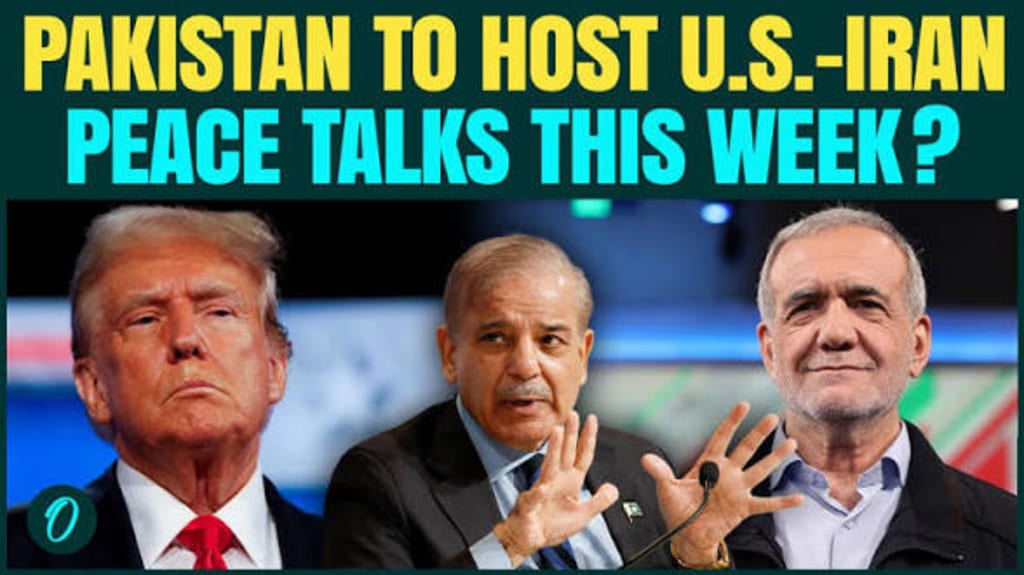
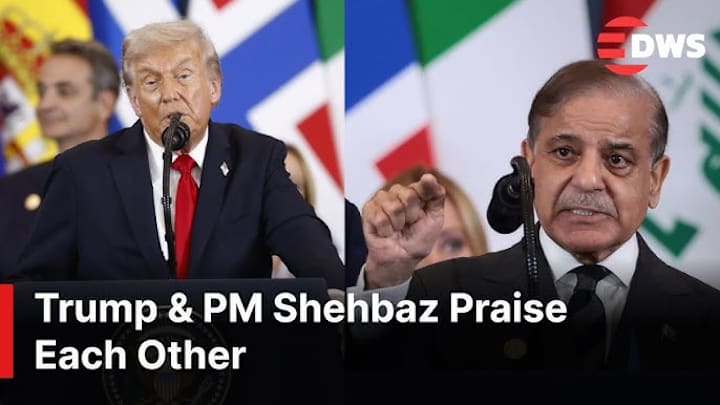
In early April 2026, as tensions between the United States and Iran surged and global attention centered on the possibility of large‑scale military action, Shehbaz Sharif took a central diplomatic role in seeking to reduce the risk of further escalation. His engagement with Donald Trump focused on the ongoing conflict, Iran’s attacks, and broader regional implications that could destabilise the Middle East and beyond. This meeting marked a rare moment of Pakistani‑U.S. dialogue where peace efforts intersected with urgent crisis management.
Context of the Iran Conflict
The backdrop was a rapidly deteriorating situation in the Middle East. The war between the United States and Iran had intensified following Iranian missile and drone activities targeting Gulf countries and allied states. The conflict had already disrupted the strategic Strait of Hormuz — through which a significant portion of the world’s oil passes — contributing to sharp increases in global energy prices and economic uncertainty. President Trump issued stern ultimatums to Iran, including threats of extensive strikes if Tehran did not comply with U.S. demands, prompting widespread concern of wider war escalation. 
Pakistan’s Role in Diplomacy
Pakistan, historically balancing its relations with both Washington and Tehran, took on an active mediating role as attempts to find a diplomatic solution gained urgency. Despite condemning U.S.‑Israeli attacks on Iran as violations of international law, Islamabad also sought to avoid being drawn into a full regional confrontation. Sharif’s government engaged in shuttle diplomacy and encouraged negotiation efforts that included proposals for ceasefires and extended diplomatic windows. 
Sharif’s appeal to Trump was to grant Iran a two‑week extension on the deadline the U.S. had set for reopening the Strait of Hormuz and ceasing hostile actions. The goal was simple: give diplomacy time to work, reduce immediate bloodshed, and search for a path towards a ceasefire. He also urged Iran to reciprocate by lifting the blockade as a gesture of goodwill and agreed ceasefire to create space for negotiations. 
Core Discussion Points Between Sharif and Trump
1. Diplomacy vs. Escalation
Sharif pressed Trump to adopt a diplomatic approach rather than escalating military action. With both the U.S. and Iranian positions hardening, Pakistan’s appeal was for restraint. Sharif argued that short‑term pauses and careful negotiation could prevent a broader, ruinous conflict that would devastate civilian populations and widen regional instability. 
Trump, who had previously threatened sweeping destruction of Iranian infrastructure and made fiery statements about Iran “facing destruction,” faced international pressure for more measured tactics. His administration had proposed military options including targeting critical Iranian facilities, illustrating the serious risk of full‑blown war. 
2. Economic and Humanitarian Consequences
The discussion also covered the economic fallout — not only for Pakistan but for the global economy. Iran’s blockade of the Strait of Hormuz had spiked oil prices, affecting emerging markets and core interests of both the United States and its allies. Sharif highlighted how prolonged conflict could have cascading effects on food prices, energy security, and investment confidence, especially among developing nations heavily reliant on stable energy supplies.
Pakistan itself was confronting domestic pressures as citizens reacted strongly to the war; public sympathy tended to favor Iran, complicating Islamabad’s diplomatic tightrope walk. 
3. Pakistan’s Mediation Strategy
Sharif emphasised Pakistan’s willingness to serve as a neutral mediator — a role it had occupied in past conflicts — by facilitating quieter back‑channel communication between Tehran and Washington. While direct negotiations between the U.S. and Iranian governments were stalled, Pakistan offered to help broker preliminary discussions and shared ceasefire proposals. 
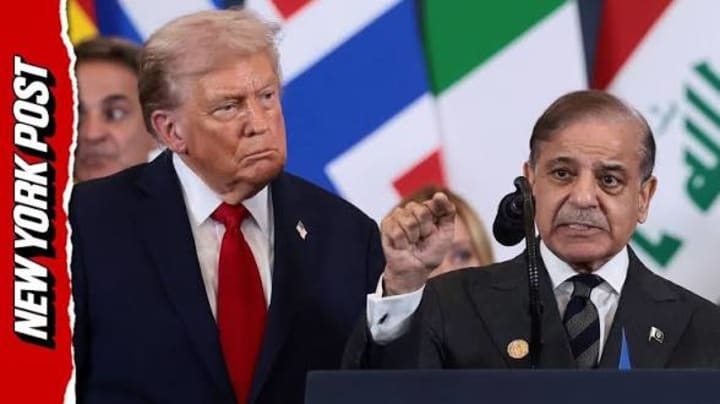
Trump acknowledged Pakistan’s role and the need for cooperation among regional powers to find a resolution, although he maintained that international pressure and military readiness remained part of U.S. strategy.
4. Security Guarantees and Regional Alliances
A key part of the conversation was how to reassure regional partners — including Saudi Arabia and Gulf states — that a peaceful resolution could preserve their security interests. Trump looked for assurances that reduced conflict would not lead to increased Iranian influence in sensitive areas. Sharif argued that regional dialogue involving all key players was necessary to build confidence and deter unilateral actions.
Conclusion
The discussion between Shehbaz Sharif and Donald Trump on Iran’s attacks and regional implications was a critical moment in the 2026 Middle East crisis. It highlighted the complex interplay between military pressure and diplomatic negotiation, and showed how smaller states like Pakistan can play pivotal roles in bridging divides between global powers. While the path to peace remains uncertain, the engagement marked a serious attempt to avert a larger conflagration and its catastrophic consequences. 
About the Creator
Sk
"I am a passionate writer, crafting books and articles on Vocal Media, exploring human experiences, stories, and creative reflections."
The Forsyth House Fire
Since 1851, Forsyth House has stood on the corner of Union Street and Gordon Street in the heart of Glasgow. Its iconic, or was... because on Sunday 8th of March, 2026, a fire broke out in a small, seemingly un-named shop in the building and tore all that history down. As I write, the rubble is still unsettled and the street is still blocked off. Central Station is quiet on the upper level, and around 30 small businesses have quite literally gone up in smoke.
By S. A. Crawford25 days ago in The Swamp
The "Benefits Cliff"
The System Is Not Cash, It Is Replacement For a family of five in Salem, Oregon, the low-income support system is not built primarily on direct cash transfers. It is built on a small number of high-impact programs that function as after-tax purchasing power, replacing major expenses rather than adding to pre-tax income. This distinction matters because it changes how the system must be evaluated. Income is taxed before it becomes usable, while benefits replace costs that would otherwise require after-tax dollars. That means these programs effectively operate as a parallel income structure, but one that is locked into specific categories such as food, housing, childcare, and healthcare rather than flexible cash.
By Peter Thwing - Host of the FST Podcast3 days ago in The Swamp


Comments
There are no comments for this story
Be the first to respond and start the conversation.