
Australia Facade Market: Redefining Modern Architecture with Smart and Sustainable Building Envelopes
Driven by green construction, advanced materials, and urban expansion, Australia’s facade market is evolving into a critical pillar of modern infrastructure.

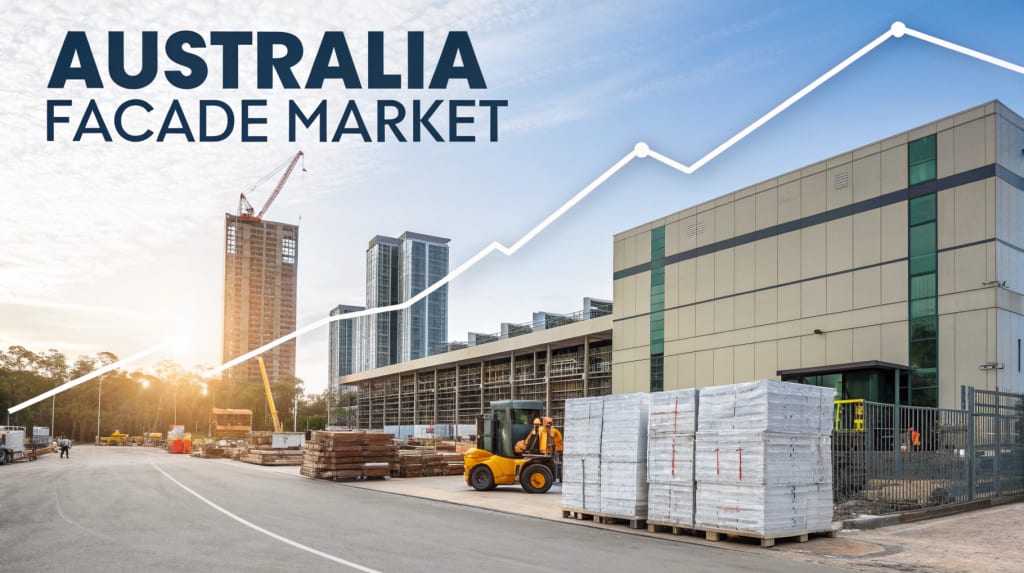
Australia’s construction and infrastructure sector is undergoing a major transformation, and at the heart of this shift lies the rapidly evolving facade market. Once considered purely aesthetic, building facades are now essential for energy efficiency, sustainability, and structural performance.
According to IMARC Group, the Australia facade market reached USD 5.8 billion in 2024 and is expected to grow significantly to USD 10.4 billion by 2033, exhibiting a compound annual growth rate (CAGR) of 6.59% during 2025–2033.
This steady growth reflects the rising importance of building envelopes in Australia’s construction ecosystem. Developers and architects are increasingly focusing on high-performance facades that not only enhance visual appeal but also improve insulation, reduce energy consumption, and support sustainability goals.
As urbanization accelerates and cities expand vertically, facades are becoming a defining element of modern architecture—blending design innovation with environmental responsibility.
Why the Market Is Growing So Rapidly
Rising Demand for Energy-Efficient Buildings
One of the most significant drivers of the facade market is the increasing focus on energy efficiency. Modern facade systems are designed to improve thermal insulation, regulate indoor temperatures, and reduce reliance on heating and cooling systems. Features such as solar shading, high-performance glazing, and airtight structures help buildings meet stringent energy standards and reduce carbon emissions.
Strong Push for Sustainable Construction
Sustainability has become a central priority in Australia’s construction industry. Government regulations and green building standards are encouraging developers to adopt eco-friendly facade solutions. High-performance facades play a key role in achieving certifications such as Green Star, making them essential for modern commercial and residential developments.
Growth in Urbanization and Infrastructure Development
Rapid urban expansion across major cities like Sydney, Melbourne, and Brisbane is fueling demand for advanced building materials and architectural solutions. High-rise buildings, mixed-use developments, and commercial complexes require sophisticated facade systems that combine durability with design flexibility.
Advancements in Materials and Smart Technologies
Technological innovation is transforming facade design. Materials such as aluminum composite panels, high-performance glass, and fiber cement offer improved durability, lightweight properties, and enhanced aesthetics. Additionally, smart facades equipped with sensors and dynamic shading systems are gaining traction, allowing buildings to adapt to environmental conditions in real time.
Shift Toward Modular and Lightweight Solutions
The construction industry is increasingly adopting modular and prefabricated facade systems. These solutions enable faster project completion, reduce labor costs, and ensure consistent quality through factory-controlled manufacturing. Lightweight materials also reduce structural load, making them ideal for modern high-rise construction.
What the Opportunities Are
1. Green Building and Energy-Efficient Facades
The growing emphasis on sustainability presents significant opportunities for companies offering energy-efficient facade systems. Solutions that enhance thermal performance and reduce emissions are expected to see strong demand.
2. Smart and Adaptive Facade Technologies
Smart facades integrated with sensors, automation, and IoT technologies represent a rapidly emerging segment. These systems can adjust shading, lighting, and ventilation dynamically, improving building efficiency and occupant comfort.
3. Retrofitting and Recladding Existing Buildings
Aging infrastructure across Australia is creating opportunities for facade retrofitting and recladding. Upgrading older buildings with modern facade systems can improve energy efficiency, extend lifespan, and enhance property value.
4. High-Rise Commercial Developments
The expansion of commercial real estate, including office towers, hotels, and retail spaces, is driving demand for innovative facade solutions. Developers are increasingly investing in premium materials and designs to differentiate their properties.
5. Sustainable Material Innovation
There is growing demand for eco-friendly materials such as recyclable metals, low-carbon glass, and bio-based composites. Companies that develop sustainable facade materials can capitalize on this trend.
6. Integration with Renewable Energy Systems
Facades are evolving beyond passive structures to become energy-generating systems. Solar-integrated facades and photovoltaic glass are creating new opportunities for energy-positive buildings.
7. Prefabrication and Off-Site Construction
Prefabricated facade systems are gaining popularity due to their efficiency and cost-effectiveness. This trend opens opportunities for manufacturers specializing in modular construction technologies.
March 2025:
The Australian Building Codes Board introduced updated energy performance requirements under the National Construction Code, focusing on improving thermal efficiency in both residential and commercial buildings. These changes are expected to increase demand for high-performance facade systems that reduce energy consumption and emissions. The regulation reinforces the role of facades in achieving sustainability targets across the construction sector.
July 2025:
A leading facade technology company announced a major expansion of its manufacturing facility in Melbourne, backed by an investment of approximately A$45 million. The expansion includes new automated production lines for ventilated and dynamic facade panels, significantly increasing output capacity. This move aims to meet rising demand from large-scale urban development projects and infrastructure investments.
October 2025:
Industry data revealed a notable increase in the adoption of ventilated facade systems across commercial and mixed-use developments in Australia. Adoption rates rose by more than 12% year-over-year, driven by stricter sustainability standards and performance requirements. The trend highlights the growing importance of advanced facade systems in modern construction projects.
Why Should You Know About Australia Facade Market?
The facade market is no longer just about aesthetics—it is a cornerstone of modern building performance, sustainability, and innovation. As Australia continues to urbanize and prioritize green construction, facade systems are becoming essential for achieving energy efficiency and environmental goals.
With the market projected to grow from USD 5.8 billion in 2024 to USD 10.4 billion by 2033, the sector offers strong and stable growth opportunities for investors, developers, and technology providers.
For businesses, advanced facade solutions provide a competitive edge in delivering high-performance, visually appealing buildings. For policymakers, they support national sustainability targets and energy efficiency standards. And for the construction industry, they represent a key innovation area that bridges design, engineering, and environmental responsibility.
As smart cities, green buildings, and advanced infrastructure projects continue to rise, Australia’s facade market is set to play a defining role in shaping the future of architecture—where buildings are not just structures, but intelligent, sustainable systems.
About the Creator
Rashi Sharma
I am a market researcher.
Keep reading
More stories from Rashi Sharma and writers in Trader and other communities.
Australia Distributed Energy Resources Market: Powering the Shift to a Decentralized Energy Future
Australia is rapidly redefining how energy is generated, distributed, and consumed. Moving away from centralized power plants, the country is embracing distributed energy resources (DER)—a model where electricity is generated closer to where it is used through technologies like rooftop solar, battery storage, and microgrids.
By Rashi Sharmaabout 6 hours ago in Trader
Washing Machine Market Size and Forecast 2025–2033: Smart Technology and Rising Urbanization Transform the Global Laundry Appliance Industry
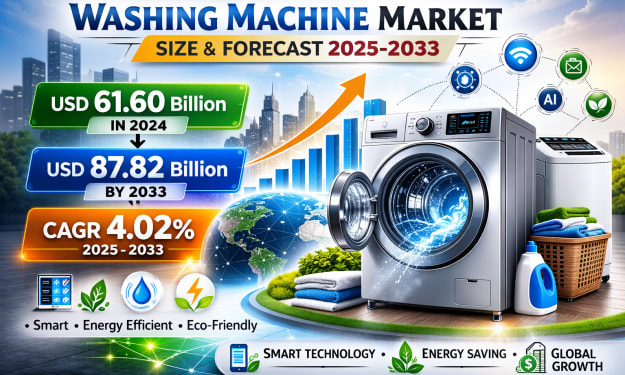
Introduction The global washing machine market is undergoing significant transformation as technological advancements, urbanization, and changing consumer lifestyles reshape the home appliance industry. According to industry analysis, the global washing machine market was valued at USD 61.60 billion in 2024 and is projected to grow to USD 87.82 billion by 2033, registering a compound annual growth rate (CAGR) of 4.02% between 2025 and 2033.
By Sakshi Sharma3 days ago in Trader
India Biodiesel Market Trends & Summary
Introduction India is steadily moving toward cleaner and more sustainable energy solutions, and biodiesel is becoming an important part of this transformation. The growing demand for renewable fuels, government-backed biofuel policies, and increasing environmental awareness are driving the adoption of biodiesel across multiple sectors such as transportation, power generation, and industrial applications.
By Sakshi Sharmaa day ago in Trader
Microsoft's Purposeful Marketing Deception About AI's Ability To Beat Physicians In Diagnosis
When you look at the world of scientific research... If you are not careful... You will be fooled into believing things that are not actually supported by the data.
By Dr. Cody Dakota Wooten, DFM, DHM, DAS (hc)2 days ago in Longevity



Comments
There are no comments for this story
Be the first to respond and start the conversation.