
Australia Food Processing Market: Fueling a $190 Billion Transformation in the Nation’s Food Economy
Driven by convenience foods, automation, and global export demand, Australia’s food processing sector is rapidly evolving into a high-value, innovation-led industry.

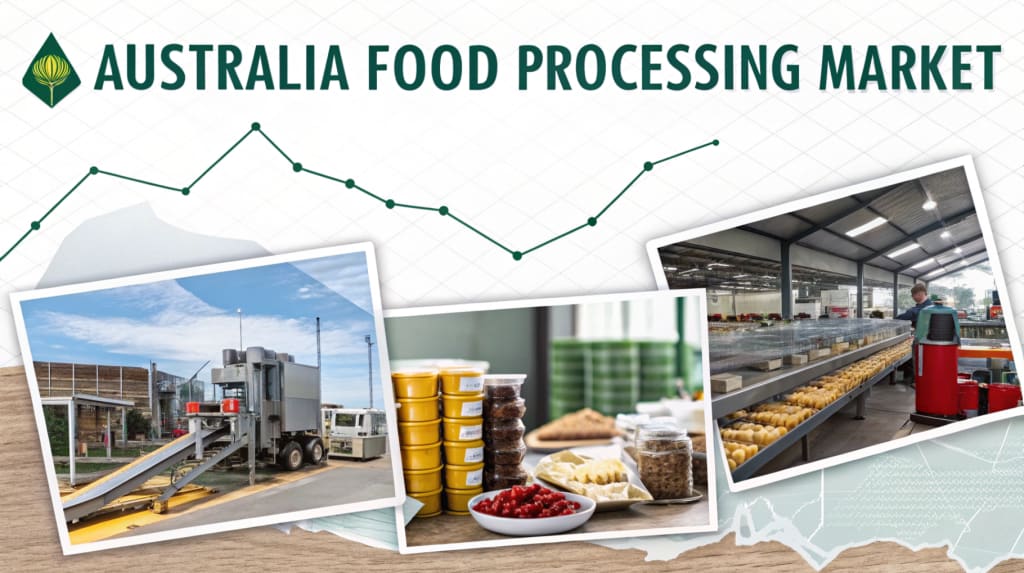
Australia’s food processing industry stands as one of the most critical pillars of the country’s economy, bridging agriculture with global consumer markets. As dietary habits shift, supply chains modernize, and technology transforms production, the sector is entering a new phase of growth driven by efficiency, sustainability, and value-added innovation.
According to IMARC Group, the Australia food processing market reached USD 119.0 billion in 2025. Looking ahead, the market is projected to expand significantly and reach USD 190.2 billion by 2034, growing at a compound annual growth rate (CAGR) of 5.19% during 2026–2034.
This steady growth highlights the increasing importance of processed food products in modern lifestyles. From ready-to-eat meals and packaged snacks to dairy, meat, and beverage processing, the industry is responding to evolving consumer expectations while maintaining Australia’s global reputation for food quality and safety.
Why the Market Is Growing So Rapidly
Rising Demand for Convenience and Ready-to-Eat Foods
One of the strongest growth drivers is the increasing demand for convenience food products. Busy lifestyles, urbanization, and dual-income households are pushing consumers toward ready-to-eat and easy-to-prepare meals. This shift is encouraging food processors to scale production and diversify their offerings.
Increasing Health Consciousness
Consumers are becoming more health-conscious and are seeking nutritious, clean-label, and functional food products. This trend is pushing manufacturers to innovate with healthier ingredients, fortified foods, and reduced additives while maintaining taste and convenience.
Technological Advancements and Automation
Automation and advanced food processing technologies are significantly improving efficiency, quality control, and production scalability. Equipment such as automated sorting systems, AI-enabled quality checks, and precision processing tools are transforming manufacturing operations across the sector.
Growth in Food Exports
Australia’s reputation for high-quality, safe, and premium food products is driving export growth. Processed foods, including dairy, meat, and packaged goods, are in strong demand across Asia-Pacific and other global markets. This export potential is encouraging investment in processing infrastructure and capacity expansion.
Innovation in Packaging and Sustainability
Packaging innovation is playing a key role in extending shelf life and improving product appeal. At the same time, sustainability is becoming a priority, with companies adopting eco-friendly packaging materials and reducing waste. These initiatives align with consumer expectations and regulatory requirements.
Strong Focus on Food Safety and Traceability
Stringent food safety standards and traceability requirements are driving investments in advanced processing and monitoring systems. This ensures product quality, builds consumer trust, and strengthens Australia’s position in global markets.
What the Opportunities Are
1. Expansion of Ready-to-Eat and Convenience Foods
The growing demand for quick, nutritious meals presents a major opportunity for food processors to innovate and expand their product portfolios.
2. Premium and Functional Food Products
There is rising demand for organic, fortified, and functional foods that offer health benefits. Companies focusing on high-value products can capture premium market segments.
3. Automation and Smart Manufacturing
The adoption of Industry 4.0 technologies, including AI, robotics, and data analytics, offers opportunities to enhance productivity and reduce operational costs.
4. Export Market Expansion
Australia’s strong global reputation creates opportunities for food processors to expand exports, particularly in high-growth markets across Asia.
5. Sustainable Processing and Packaging
Developing eco-friendly production methods and sustainable packaging solutions can provide a competitive edge while meeting regulatory and consumer expectations.
6. Alternative Proteins and Plant-Based Foods
The rise of plant-based diets and alternative protein sources presents a fast-growing segment within the food processing industry.
7. Supply Chain Optimization
Improving cold chain logistics, storage, and distribution networks can enhance efficiency and reduce waste, creating long-term value across the supply chain.
Recent News & Developments in Australia Food Processing Market
The Australian government introduced new initiatives aimed at strengthening food safety standards and promoting sustainable processing practices. The program includes funding for advanced processing technologies and stricter traceability systems across the food supply chain. These measures are expected to enhance product quality and support export growth.
June 2025:
A leading food manufacturing company announced a major investment in automated processing facilities to increase production capacity for packaged and ready-to-eat foods. The expansion includes advanced robotics and AI-driven quality control systems, improving efficiency and reducing operational costs. The project reflects growing demand for convenience food products across domestic and international markets.
September 2025:
Industry reports highlighted strong growth in processed food consumption across Australia, driven by changing lifestyles and increasing demand for convenient meal solutions. Data showed rising adoption of packaged and ready-to-cook products, particularly among urban consumers. This trend is expected to continue shaping the future of the food processing industry.
Why Should You Know About Australia Food Processing Market?
The food processing industry is at the heart of Australia’s economic and food security framework. It connects agriculture to global markets, supports employment, and drives innovation across the food value chain.
With the market projected to grow from USD 119.0 billion in 2025 to USD 190.2 billion by 2034, the sector offers strong and stable growth opportunities for investors, manufacturers, and technology providers.
For businesses, the industry provides avenues for product innovation, automation, and global expansion. For investors, it represents a resilient market supported by consistent demand and evolving consumer preferences. For policymakers, strengthening food processing capabilities is essential for ensuring food security, boosting exports, and supporting sustainable economic growth.
As consumer needs continue to evolve and technology reshapes production processes, Australia’s food processing market is set to remain a cornerstone of the nation’s economy—delivering value, innovation, and global competitiveness in the years ahead.
About the Creator
Rashi Sharma
I am a market researcher.
Keep reading
More stories from Rashi Sharma and writers in Trader and other communities.
Australia Industrial Filtration Market: Driving Cleaner Industries and Sustainable Growth
Australia’s industrial landscape is evolving rapidly, with sustainability, efficiency, and regulatory compliance becoming central to operations. At the core of this transformation is the industrial filtration market—an essential segment that ensures clean air, safe water, and efficient industrial processes.
By Rashi Sharmaabout 14 hours ago in Trader




Comments
There are no comments for this story
Be the first to respond and start the conversation.