
India’s Frozen Food Market Is Heating Up as Busy Lifestyles Reshape Everyday Eating
From quick dinners to ready-to-cook snacks, frozen food is quietly becoming one of India’s fastest-growing convenience categories.

India’s Frozen Food Revolution Is No Longer Just an Urban Trend
For years, frozen food in India was seen as something occasional—perhaps a packet of frozen peas in the freezer or French fries reserved for weekend snacks. But that perception is changing quickly. Today, frozen food is becoming a regular part of Indian kitchens, driven by one simple reality: modern life is busier than ever.
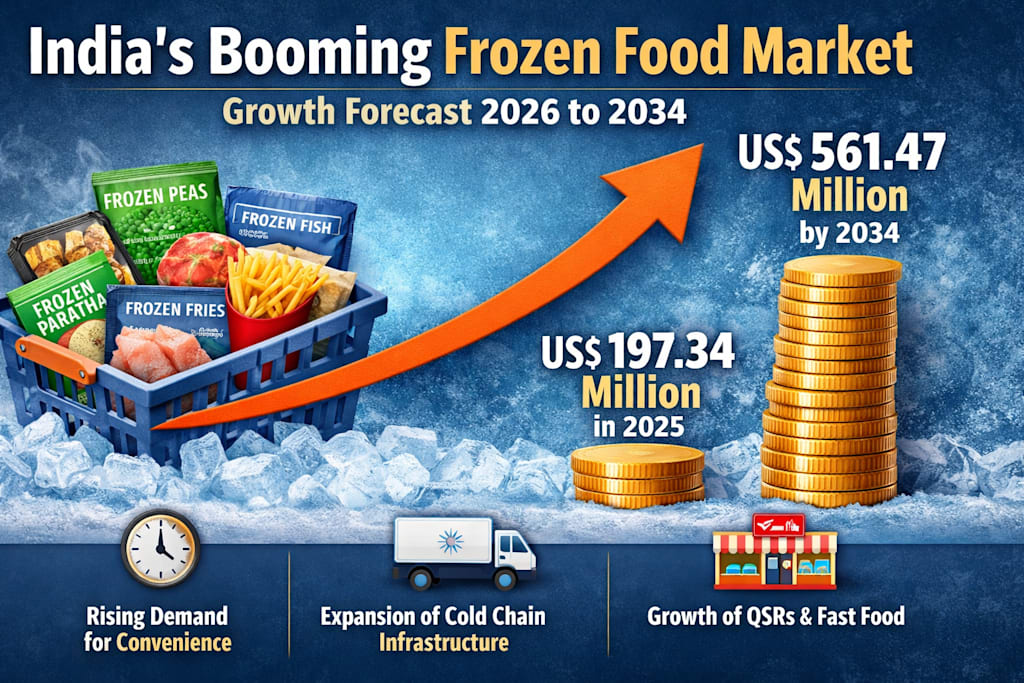
According to Renub Research, the India Frozen Food Market is expected to grow from US$ 197.34 Million in 2025 to US$ 561.47 Million by 2034, expanding at a CAGR of 12.32% from 2026 to 2034. That is not just steady growth; it signals a major shift in how Indian consumers buy, store, and prepare food.
The growth is not happening because Indians suddenly stopped loving fresh food. Quite the opposite. It is happening because frozen food is becoming better, cleaner, easier to access, and far more aligned with the pace of modern living. In many homes, it is no longer viewed as a compromise. It is becoming a practical solution.
Why Frozen Food Is Suddenly Finding Space in Indian Freezers
India’s frozen food market is rising at the intersection of urbanization, convenience, and changing family structures. In metro cities and increasingly in Tier II and Tier III towns, long work hours and smaller households are changing the way meals are planned.
Many consumers no longer have the time to wash, chop, marinate, and cook everything from scratch every day. Frozen food steps into that gap. Whether it is frozen parathas before office, momos for an evening snack, or French fries for a house party, the category is increasingly about saving time without sacrificing familiarity.
That is what makes this trend especially interesting in India. Frozen food is not growing only through Western-style ready meals. It is also growing through Indianized convenience—the kind that fits local tastes and daily habits.
Convenience Is Becoming a Lifestyle, Not a Luxury
One of the biggest drivers behind the frozen food boom is the simple need for faster meal preparation.
India’s working population continues to expand, especially among dual-income urban households. At the same time, nuclear families are becoming more common, and home cooking routines are evolving. In that environment, products such as frozen snacks, ready-to-cook staples, and pre-portioned ingredients offer a clear advantage.
Consumers are not just buying frozen food because it is available. They are buying it because it helps them manage their day better.
This is especially true among:
young professionals,
students living away from home,
working couples,
and families looking for convenient meal backups.
As noted in the source material, companies are responding to this shift with more localized offerings. One example is HyFun Foods, which launched Mumbai Aloo Vada in May 2025 to tap into India’s rising appetite for frozen snack options. That reflects a larger market truth: frozen food works best in India when it feels culturally familiar.
Cold Chain Infrastructure Is Quietly Changing the Game
Frozen food can only grow when the supply chain supports it—and India is finally making progress there.
A few years ago, frozen products often struggled because of inconsistent refrigeration, poor transport conditions, and limited storage capacity. Today, the picture is improving. Better cold storage facilities, refrigerated logistics, supermarket freezers, and app-based grocery delivery systems are helping frozen food travel farther and stay fresher.
This matters more than many people realize.
A frozen product is only as trustworthy as the system that delivers it. When consumers find consistent quality in frozen vegetables, meat, snacks, or desserts, they are more likely to buy again. That repeat behavior is crucial for category expansion.
The rise of modern retail, quick-commerce, and online grocery platforms has also made frozen food more visible than ever before. Products that were once hard to find are now available within minutes in many urban areas.
A strong example of this momentum came in March 2024, when BigBasket collaborated with chef Sanjeev Kapoor to launch Precia, a frozen food brand covering vegetables, appetizers, and sweets. This kind of branded push suggests the market is moving from niche to mainstream.
India’s Love for Snacking Is Fueling a Big Part of This Market
If there is one category that may define India’s frozen food future, it is not necessarily full meals—it is snacks.
Frozen samosas, nuggets, fries, smileys, kebabs, momos, and potato bites are finding a large audience across both households and foodservice operators. They are quick to prepare, family-friendly, and ideal for air fryers, ovens, and even basic stovetop cooking.
That gives frozen snacks a huge advantage.
They work for:
tea-time cravings,
children’s lunchboxes,
home gatherings,
and impulse buying through online grocery apps.
This is where frozen food becomes less about “survival cooking” and more about lifestyle consumption. People are not always buying frozen items because they are too busy to cook. Sometimes, they are buying them because they are simply enjoyable and easy to serve.
QSR Growth Is Pushing Demand Beyond Households
Another major reason the frozen food market is expanding is the rapid growth of quick-service restaurants (QSRs), cafés, cloud kitchens, and delivery-led food businesses.
These businesses need products that are:
easy to store,
quick to prepare,
consistent in quality,
and scalable across outlets.
Frozen ingredients solve those problems efficiently.
That is especially true for categories like:
French fries,
chicken nuggets,
frozen patties,
pre-portioned meats,
and ready-to-cook snacks.
As India’s foodservice sector becomes more standardized, frozen food becomes increasingly essential behind the scenes.
This demand is also encouraging corporate activity. In February 2025, ITC signed an agreement to fully acquire Prasuma, a known player in India’s frozen and chilled foods segment, particularly for oriental cuisine. Moves like this suggest that larger food companies see frozen foods not as a side category, but as a serious long-term growth engine.
Which Frozen Food Segments Are Growing the Most?
India’s frozen food market is not one single category. It is a mix of fast-growing subsegments, each serving different consumer needs.
1. Frozen Staple Foods
Frozen staples include vegetables, rotis, parathas, grains, and other everyday essentials. These products appeal strongly to urban consumers who want speed and consistency without completely changing their eating habits.
2. Frozen Dairy Products and Alternatives
This includes ice cream, frozen desserts, cheese products, butter, and emerging plant-based alternatives. While seasonal demand still matters, premiumization and experimentation are expanding the segment.
3. Frozen Chicken
Frozen chicken is becoming increasingly popular in urban India due to hygiene concerns, protein demand, and ease of cooking. It is especially important for both households and restaurant operators.
4. Frozen French Fries
This is one of the most visible high-growth categories, supported heavily by QSR chains, cafés, and home cooking trends. The rise of air fryers has also boosted household demand.
5. Frozen Ready Meals
Though still developing, this category has strong potential. Indianized ready meals such as biryani, paneer dishes, idli-based options, and curries are helping consumers view frozen meals as more culturally relevant.
But There Are Still Real Challenges Holding the Market Back
For all its growth, the frozen food industry in India is not without obstacles.
Cold Chain Gaps Still Exist
While infrastructure is improving, many Tier II, Tier III, and rural markets still face refrigeration and logistics limitations. That affects availability, shelf life, and consumer confidence.
Price Sensitivity Remains a Big Barrier
India is still a highly price-conscious market. Many frozen products are seen as more expensive than fresh alternatives, especially for everyday use.
Consumer Perception Is Still Mixed
A large section of Indian consumers continues to associate frozen food with:
preservatives,
lower freshness,
or reduced nutritional value.
That perception does not disappear overnight. Brands will need to invest in education, transparency, and better communication if they want frozen food to become a regular household habit across broader demographics.
Regional Growth Is Telling an Important Story
Frozen food growth in India is not happening evenly. Different states are showing different patterns based on culture, urbanization, and retail access.
Maharashtra
Maharashtra is one of the strongest frozen food markets in India, supported by its large urban population, active foodservice sector, and mature retail environment.
Gujarat
Gujarat stands out for its strong vegetarian market and high acceptance of ready-to-cook items such as frozen snacks, vegetables, and regional staples.
West Bengal
West Bengal, especially Kolkata, is an emerging market where frozen snacks, fish products, chicken products, and ready-to-cook foods are gaining traction among younger consumers and working households. Although fresh food still dominates, the shift has clearly begun.
That regional spread matters because it shows frozen food is no longer just a metro luxury category. It is becoming a national convenience trend, even if adoption speeds vary.
What This Means for the Future of Food in India
India’s frozen food market is not replacing traditional cooking. It is reshaping how convenience fits into Indian food culture.
That distinction matters.
The future of frozen food in India will likely belong to brands that understand three things well:
Localization – Indian consumers want convenience, but they still want familiar flavors.
Affordability – price competitiveness will remain critical.
Trust – hygiene, transparency, and quality assurance will drive repeat purchase.
The category’s strongest growth may not come from trying to make Indian consumers “more Western” in their eating habits. It will come from making Indian food more accessible, faster, and easier to prepare without losing its identity.
And that is exactly why this market looks so promising.
Final Thoughts
India’s frozen food market is no longer just about fries and peas sitting in the corner of a supermarket freezer. It is becoming a serious part of the country’s food economy—supported by urban lifestyles, better logistics, stronger retail access, and changing consumer expectations.
With the market projected to grow from US$ 197.34 Million in 2025 to US$ 561.47 Million by 2034, this is clearly a category to watch. The brands that win will be the ones that understand that Indian consumers are not simply buying frozen food—they are buying time, convenience, consistency, and flexibility.
About the Creator
Australia Risk Management Market: The Strategic Backbone of a Digital Economy
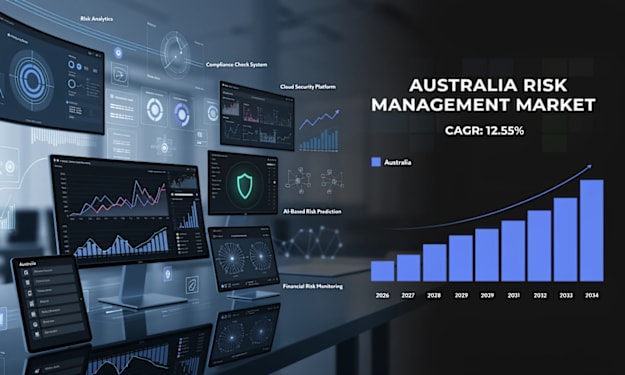
The Australia risk management market is rapidly evolving into a critical pillar of modern enterprise strategy. According to IMARC Group, the market reached a value of USD 270.00 Million in 2024 and is projected to grow to USD 782.48 Million by 2033, expanding at a robust CAGR of 12.55% during 2025–2033.
By Rashi Sharmaabout 23 hours ago in Trader
Particle Board Market Outlook 2034: Growth Trends, Key Drivers, and Future Opportunities
Overview Particle Board Market The Particle Board Market Size is expanding steadily as demand rises for cost-effective, sustainable, and versatile engineered wood products across the globe. Particle board, manufactured from wood chips, sawdust, and resin binders, has become a widely preferred material in furniture production, interior décor, and construction due to its affordability and smooth surface finish.
By James Smithabout 2 hours ago in Trader
Elderly Woman Behind the Table in a Large Town
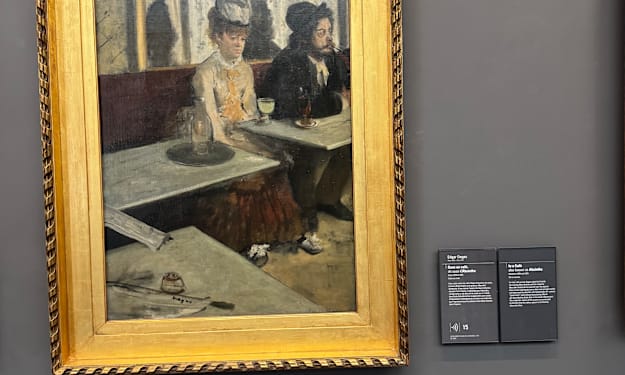
The glass of Absinthe sat before me. It’s quite amazing how despite such terror rendered upon their stones in the preceding decades, these streets still held the beauty I first read about as a girl. I never dreamed I’d set foot on these cobbles, at least not safely.
By Matthew J. Fromm6 days ago in Art


Comments
There are no comments for this story
Be the first to respond and start the conversation.