
The Strait of Hormuz: Which Countries Can Use It and Why It Matters
Big Problem In War For Many Countries

Introduction
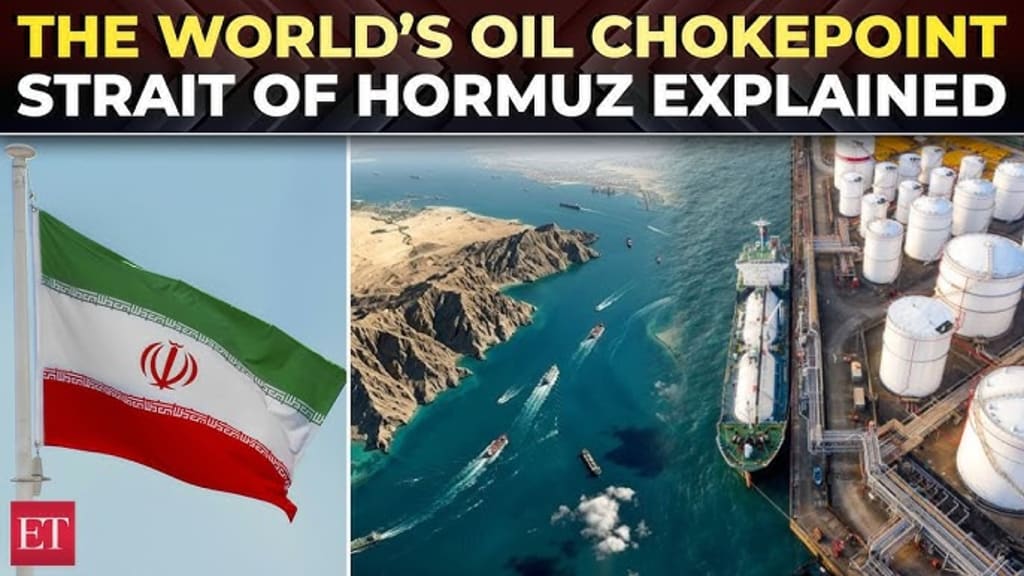
The Strait of Hormuz is one of the most important and sensitive waterways in the world. It connects the Persian Gulf with the Gulf of Oman and the Arabian Sea. Because of its strategic location, it plays a crucial role in global energy trade, especially oil and natural gas.
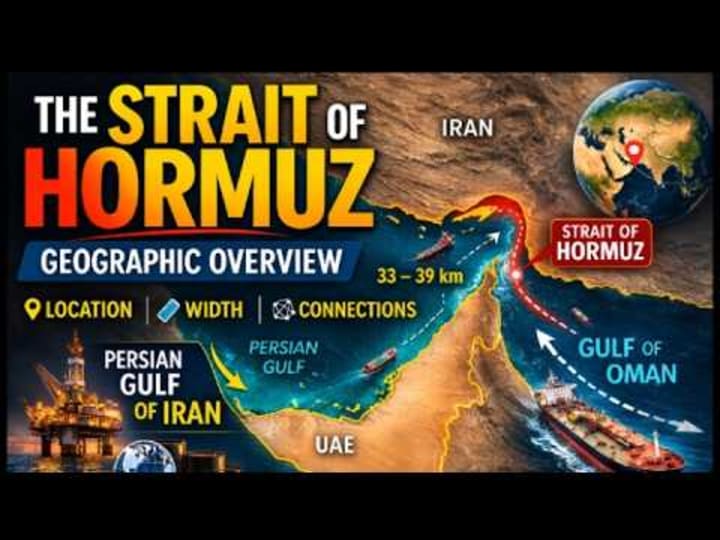
The Strait of Hormuz lies between Iran in the north and Oman and the United Arab Emirates in the south. At its narrowest point, it is only about 33 kilometers (21 miles) wide. However, the shipping lanes used by tankers are even narrower, making the area sensitive and strategically important.
Although Iran controls much of the northern coastline, the waterway itself is considered an international strait, meaning it is open for global navigation under international maritime law.
Which Countries Are Allowed to Use the Strait?
In principle, all countries are allowed to pass through the Strait of Hormuz. According to international law, particularly the United Nations Convention on the Law of the Sea, ships and aircraft from all nations have the right of “transit passage.” This means vessels can move through the strait without unnecessary interference, as long as they follow navigation and safety rules.
Because of this rule, ships from many countries regularly travel through the strait, including those from:
- Saudi Arabia
- Iraq
- Kuwait
- Qatar
- United Arab Emirates
These countries export large amounts of oil and natural gas through the strait. Tankers then deliver energy supplies to major economies such as China, Japan, India, and European nations.
Geographic Location
The Strait of Hormuz lies between Iran to the north and Oman and the United Arab Emirates to the south.
At its narrowest point, the strait is about 33 kilometers (21 miles) wide, but the actual shipping lanes used by tankers are only about 3 kilometers wide in each direction. This makes the waterway both vital and vulnerable.
Importance for Global Oil Trade
- The Strait of Hormuz is often called the “world’s most important oil chokepoint.”
- Around 20% of the world’s oil supply passes through this route.
- Major oil-producing countries like Saudi Arabia, Iraq, Kuwait, and United Arab Emirates export oil through this strait.
- Large energy consumers such as China, Japan, India, and European countries rely heavily on this route.
- If the strait were blocked, global oil prices could rise sharply and affect economies worldwide.
Military and Political Tensions
Because of its importance, the Strait of Hormuz has often been at the center of geopolitical tensions.
The Iran has repeatedly warned that it could block the strait if it faces military attacks or severe economic sanctions. On the other hand, the United States and its allies maintain a strong naval presence in the region to ensure that shipping remains open.
Over the years, there have been incidents involving oil tankers, naval patrols, and drones, which have increased concerns about security in the area.
Why the Strait Matters to the World
The importance of the Strait of Hormuz goes far beyond the Middle East. It affects global energy security, international trade, and geopolitical stability. Even a small disruption in this narrow waterway could impact fuel prices, shipping routes, and international markets.
Military Presence in the Strait
Because the strait is so important, several world powers maintain naval forces nearby to ensure shipping security. The United States, the United Kingdom, and allied countries often patrol the waters to protect commercial ships.
At the same time, Iran also maintains a strong naval presence in the area, as it views the strait as critical to its national security. Occasionally, tensions rise when military ships from different countries operate close to one another.
Conclusion
The Strait of Hormuz remains one of the most critical maritime routes in the world. Its narrow geography, massive oil traffic, and ongoing geopolitical tensions make it a key focus for global powers. As long as the world depends heavily on oil from the Persian Gulf, the stability and security of this strategic passage will continue to be a major international concern. 🌍🚢⛽
About the Creator
Sk
"I am a passionate writer, crafting books and articles on Vocal Media, exploring human experiences, stories, and creative reflections."


Comments
There are no comments for this story
Be the first to respond and start the conversation.