
When an H-1B RFE Points to Problems With a Credential Evaluation
Why the type of academic evaluation matters and how mismatches between education and documentation can lead to delays


Receiving a Request for Evidence after submitting a credential evaluation can be confusing. In many situations, the issue is not the applicant’s education, but the type of evaluation that was used. If the evaluation was not prepared with immigration requirements in mind, it may not address the specific questions U.S. Citizenship and Immigration Services is trying to resolve.
Credential evaluations are often created for different purposes. An evaluation prepared for university admission may be sufficient in an academic setting, but it does not always meet the standards required for an H-1B petition. Immigration cases require a more detailed approach that connects a person’s education directly to the job being offered.
Matching the Evaluation to the Case
For H-1B petitions, applicants must demonstrate that they meet the equivalent of a United States bachelor’s degree in a specific field related to the position. This requirement becomes more complex when a candidate holds a three year degree. In such cases, the missing academic year must be addressed in a way that aligns with immigration standards.
One accepted method involves combining education with relevant work experience. Three years of progressive experience can be considered equivalent to one year of academic study. However, this equivalency must be evaluated and documented by a qualified professor who is authorized to assign academic credit based on professional experience.
Without this step, even well qualified candidates may receive an RFE. The challenge is often not eligibility, but the absence of documentation that clearly explains how the individual meets the required standard.
When an RFE Becomes a Second Opportunity
In many cases, an RFE provides a chance to correct issues related to an earlier evaluation. A revised evaluation can present education and work experience together in a way that aligns with H-1B requirements. This involves reviewing academic records, examining professional history, and connecting both to the specific duties of the role.
When these elements are explained clearly and supported by appropriate documentation, the evaluation becomes easier for USCIS to assess.
The Importance of Proper Documentation
RFEs based on incorrect or incomplete evaluations highlight the importance of using the right approach from the beginning. Immigration officers rely on clear, structured explanations to understand how international education and experience meet U.S. standards.
When the evaluation is aligned with the requirements of the petition and supported by accurate documentation, the concerns raised in an RFE can often be resolved.
About the Creator
Sheila Danzig
Executive director of TheDegreePeople.com and a leading expert in foreign degree evaluations. Recognized for her innovative approach to difficult cases, helping thousands of clients successfully obtain visa approvals even facing RFEs.
Keep reading
More stories from Sheila Danzig and writers in Writers and other communities.
Handling H-1B Wage Level RFEs and Questions About Entry Level Roles
Wage level Requests for Evidence are a common issue in H-1B cases, particularly when a position is filed under Level 1 wages. U.S. Citizenship and Immigration Services often examines whether an entry level role truly requires a bachelor’s degree and whether the wage offered reflects the responsibilities of the position. If these concerns are not addressed clearly, they can lead to RFEs or even denials.
By Sheila Danzig8 days ago in Writers
Earrings
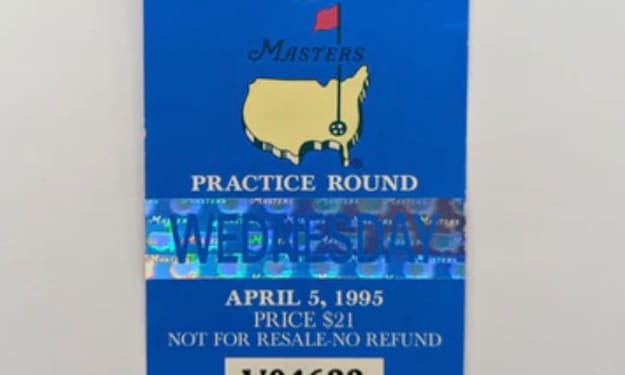
April truly is the cruelest month, especially in Augusta during the first full week, breeding dogwoods and azaleas into dreams of a green jacket on Sunday. I won’t go into it about badges; suffice to say my family received. I was dating some loser the year I was twenty-two or -three, and I was taking him to the Par 3. At least I was until the night before.
By Harper Lewis3 days ago in Writers



Comments
There are no comments for this story
Be the first to respond and start the conversation.