Places
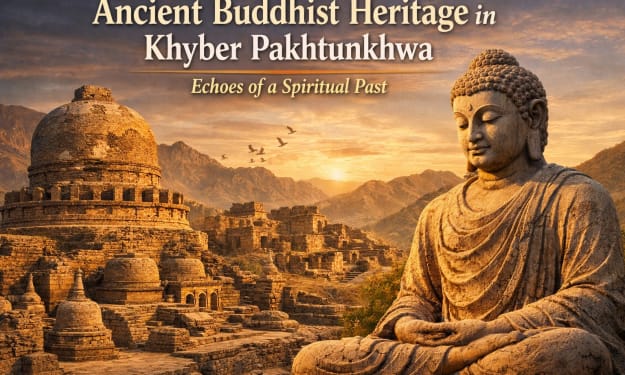
Ancient Buddhist Heritage in Khyber Pakhtunkhwa: Echoes of a Spiritual Past
The province of Khyber Pakhtunkhwa in present-day Pakistan is widely known for its rugged mountains, vibrant cultures, and strategic historical importance. Yet beneath its modern landscape lies a remarkable legacy that dates back more than two thousand years: the heritage of Buddhism. Scattered across valleys, hills, and ancient cities are centuries-old Buddhist monuments—stupas, monasteries, sculptures, and archaeological sites—that reflect the region’s deep connection with one of the world’s oldest religions.
By Irshad Abbasi 3 days ago in History
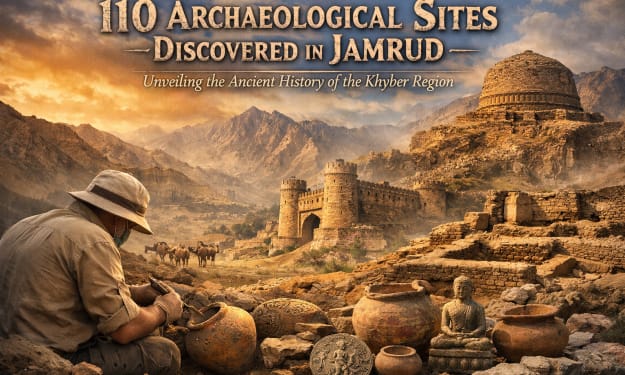
A Window into the Ancient History of the Khyber Region
The historic town of Jamrud has recently gained renewed attention after archaeologists reported the discovery of 110 archaeological sites in and around the region. Located at the mouth of the famous Khyber Pass, Jamrud has long been known as a strategic and cultural crossroads between South Asia, Central Asia, and the Middle East. The newly identified sites provide remarkable evidence that the region was home to vibrant human activity stretching back thousands of years.
By Irshad Abbasi 3 days ago in History
History of New York
1. Early Times New York was originally inhabited by Native American tribes, mainly the Lenape people. They lived off rivers, lakes, and forests, relying on hunting, fishing, and farming for survival. Life was simple, connected closely with nature.
By Fawad Ahmad3 days ago in History
When Bullets Silenced a Peaceful Crowd
On April 13, 1919, a quiet garden in the city of Amritsar became the site of one of the most horrifying incidents in the history of British colonial rule in India. The event, now known as the Jallianwala Bagh Massacre, shocked the world and exposed the brutal reality of imperial power.
By Irshad Abbasi 3 days ago in History
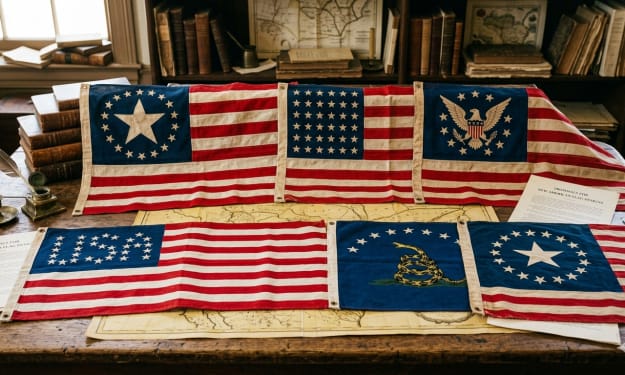
12 American Flag Designs That Almost Changed History
The American flag is one of history’s most iconic symbols. Its red, white, and blue stripes, along with fifty stars, instantly represent freedom, democracy, and national pride. But did you know that the flag we all recognize today didn’t become official until 1960?
By Areeba Umair4 days ago in History
Hasan-i Sabbah’s Garden of Paradise: Legend or Historical Reality?
Among the many legends of medieval history, few stories are as fascinating and controversial as the tale of the “Garden of Paradise” associated with Hasan-i Sabbah. He was the founder and spiritual leader of the Nizari Ismaili movement in Persia during the 11th and early 12th centuries. From his mountain stronghold at Alamut Castle, Hasan-i Sabbah built a powerful and mysterious network of followers who became known in Western literature as the “Assassins.” One of the most enduring legends about him is the claim that he created a secret garden designed to resemble paradise, where young recruits were tricked into believing they had experienced heaven.
By Irshad Abbasi 4 days ago in History
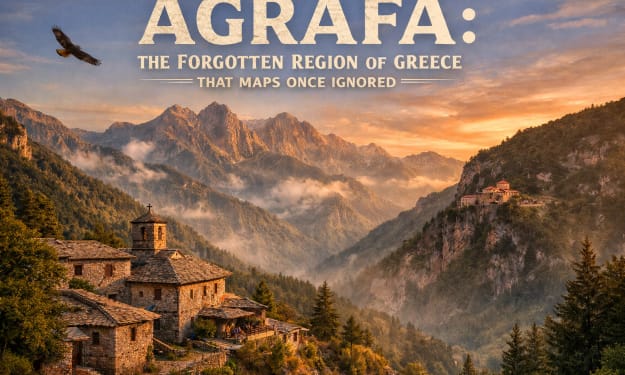
The Forgotten Region of Greece That Maps Once Ignored
High in the rugged mountains of central Greece, there lies a mysterious and historically fascinating region known as Agrafa. For centuries, this isolated land lived up to the meaning of its own name. The word “Agrafa” in Greek literally means “unwritten” or “unrecorded.” The region earned this unusual title because it was so remote and difficult to control that even powerful empires often ignored it, and in some cases, mapmakers did not even bother to include it on their maps.
By Irshad Abbasi 5 days ago in History
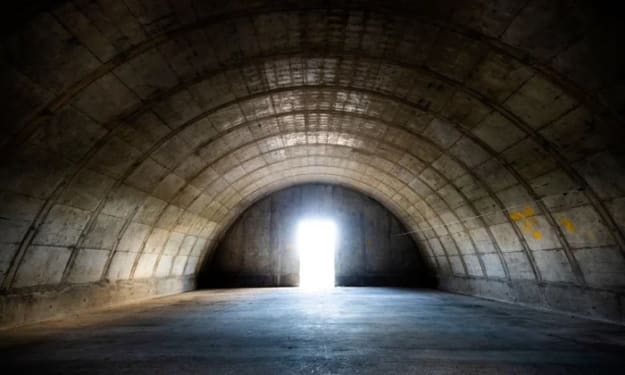
Bunker Stories: Fear, Survival, and Life Beneath the Earth
A bunker is more than concrete and steel buried beneath the ground. It is a place where fear, hope, and survival meet in silence. Throughout history, people have built bunkers for many reasons. Some prepared for war. Others feared disasters that could destroy cities and homes in minutes. Inside these underground spaces, life becomes different. Time moves slowly. The outside world feels distant and uncertain. Yet the idea of a bunker has always carried a strange mix of dread and comfort. It represents the worst possibilities humanity imagines, but also the determination to survive them. Understanding why people build bunkers and how they live inside them reveals something deep about human nature and the instinct to endure.
By Muqadas khan5 days ago in History
The Vasa: The 17th-Century Warship That Sank After Only 20 Minutes
In the early 17th century, European powers were fiercely competing to dominate the seas. Powerful naval fleets were considered symbols of national strength, and kings invested huge sums of money in building impressive warships. Among the most ambitious of these vessels was the Vasa, a magnificent ship built for the Swedish navy. Designed to be one of the most powerful warships of its time, the Vasa instead became famous for sinking after sailing for only about 20 minutes.
By Irshad Abbasi 5 days ago in History
The Ghost of the Indus: The Rise and Fall of the 'Dera Titanic'
The mighty Indus River has long been the lifeblood of South Asia, a winding giant that has witnessed the rise and fall of empires. Yet, tucked away on its banks in Southern Punjab lies a haunting reminder of a more recent, opulent era: the Indus Queen, often referred to locally as the "Titanic of Dera." Once a symbol of royal prestige and a vital lifeline for thousands, this legendary steamer now sits as a skeletal wreck, slowly being swallowed by the silt of time.
By Irshad Abbasi 5 days ago in History
The Colonial Powerhouse: Quetta’s British-Era Grid Station
The city of Quetta, often called the “Fruit Garden of Pakistan,” has a long and fascinating history shaped by trade, culture, and colonial influence. Among the lesser-known historical structures of the city is a British-era grid station that once played a crucial role in supplying electricity to the region. Built during the period of British colonial rule in the Indian subcontinent, this early electrical facility reflects a time when modern infrastructure was beginning to transform cities like Quetta.
By Irshad Abbasi 5 days ago in History