World History
Jerusalem’s Most Sensitive Sacred Site: Why the Future of Al-Aqsa Mosque Matters to the Entire World
Across the long and complicated story of human civilization, certain places acquire a meaning that goes far beyond their physical structure. They become symbols of identity, spirituality, and collective memory for millions of people. One of the most powerful examples of such a place is Al-Aqsa Mosque. Located in the ancient city of Jerusalem, Al-Aqsa Mosque is one of the most historically and religiously significant sites in the world. For Muslims, it is the third holiest place in Islam, after the sacred mosques in Mecca and Medina. Yet the importance of this location extends far beyond a single faith community. The wider Jerusalem area contains sacred sites for Muslims, Christians, and Jews, making it one of the most spiritually complex places on the planet. Because of this unique significance, any discussion about the future of Al-Aqsa Mosque often sparks global attention. Understanding why this site matters so deeply requires looking at history, religion, geopolitics, and the emotional connections that billions of people have with the city of Jerusalem. The Religious Importance of Al-Aqsa Mosque For Muslims, Al-Aqsa Mosque is not simply an architectural landmark. It represents centuries of spiritual tradition and religious devotion. According to Islamic tradition, the mosque is connected to the event known as Al-Isra wal-Mi’raj, the miraculous night journey of Prophet Muhammad ﷺ. During this event, it is believed that the Prophet traveled from Mecca to Jerusalem before ascending to the heavens. Because of this spiritual connection, the mosque holds a special place in the hearts of Muslims around the world. The mosque stands within a larger sacred compound known as Al-Haram Al-Sharif, which contains several historic structures, courtyards, and prayer areas. This entire complex is considered a sacred site within Islam and has been a place of worship for centuries.
By The Insight Ledger 23 days ago in History
History of New York
1. Early Times New York was originally inhabited by Native American tribes, mainly the Lenape people. They lived off rivers, lakes, and forests, relying on hunting, fishing, and farming for survival. Life was simple, connected closely with nature.
By Fawad Ahmad24 days ago in History
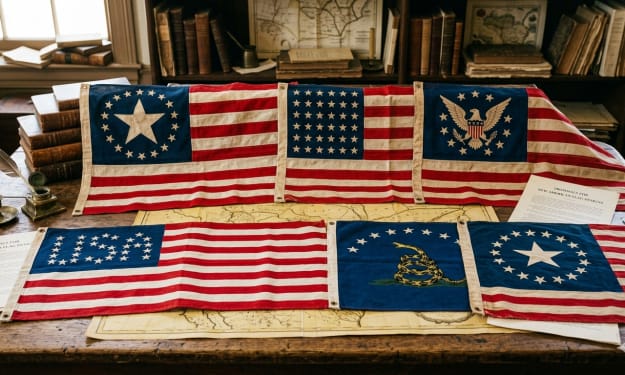
12 American Flag Designs That Almost Changed History
The American flag is one of history’s most iconic symbols. Its red, white, and blue stripes, along with fifty stars, instantly represent freedom, democracy, and national pride. But did you know that the flag we all recognize today didn’t become official until 1960?
By Areeba Umair25 days ago in History
Iranian Cyber Attack. AI-Generated.
In recent years, cyber warfare has become one of the most powerful tools used in geopolitical conflicts. Instead of traditional weapons, nations and affiliated groups are increasingly turning to digital attacks to disrupt infrastructure, steal information, and send political messages. A recent Iranian cyber attack has once again highlighted the growing risks associated with this modern form of conflict.
By Saboor Brohi 25 days ago in History
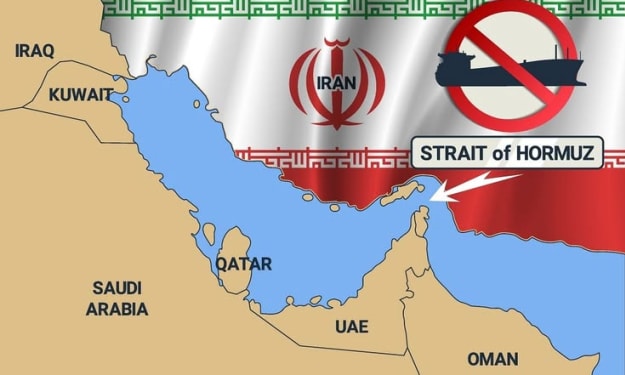
The Strait of Hormuz: When the World Held Its Breath
The sea was calm, but the tension in the air was anything but peaceful. At the narrow waters of the Strait of Hormuz, one of the most important shipping routes on Earth, warships began to appear on the horizon. Oil tankers slowed down, merchant ships changed their routes, and the world watched nervously.
By Imran Ali Shah25 days ago in History