pop culture
Representations of mental health in pop culture; dissect and discuss popular psychology, mental illness stigmas, and media depictions.
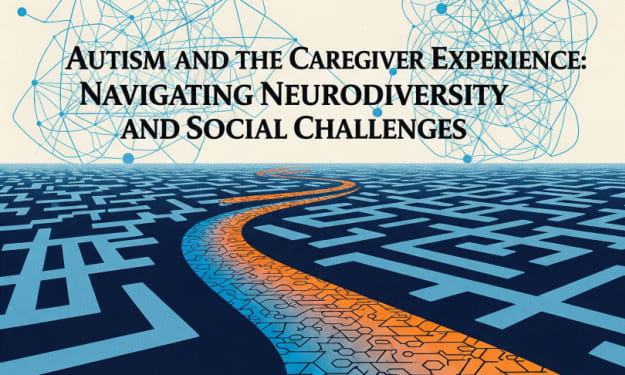
Autism and the Caregiver Experience: Navigating Neurodiversity and Social Challenges
Introduction Autism Spectrum Disorder (ASD) is a complex neurodevelopmental condition characterized by persistent challenges in social interaction, communication, and behavior. As the prevalence of ASD continues to rise globally, awareness of the condition has increased. However, less attention is given to the caregivers of individuals with autism—those who navigate daily responsibilities that often involve emotional, financial, and social strain. This article explores not only the neuropsychological aspects of ASD but also the social dynamics and mental health consequences experienced by caregivers. By understanding both perspectives, we aim to shed light on the full ecosystem surrounding autism.
By Siria De Simone10 months ago in Psyche
Why Some People Feel Everything So Deeply (And It’s Not a Flaw)
Some people walk through life and feel... everything. They cry at movie trailers. They get anxious before sending a text. They can sense when someone else is hurting — even if that person is silent. And sometimes, they wonder: “What’s wrong with me? Why can’t I just let things go like everyone else?”
By SHADOW-WRITES10 months ago in Psyche
ADHD Unmasked: What Science Tells Us About the Distracted Mind
Introduction In recent decades, Attention Deficit Hyperactivity Disorder (ADHD) has moved from the periphery of clinical discussions to the forefront of psychological research, media conversations, and social awareness. Once regarded as a childhood issue characterized mainly by hyperactivity, ADHD is now understood as a complex neurodevelopmental condition that affects individuals across the lifespan. Yet, despite its growing recognition, ADHD remains widely misunderstood. This article delves into the psychological and neuroscientific foundations of ADHD, explores how it manifests in everyday life, and addresses common myths and misconceptions.
By Siria De Simone10 months ago in Psyche
The Productivity Paradox: Working Less to Achieve More
Introduction In a society that often glorifies hustle culture and equates busyness with success, the notion of working less to achieve more seems counterintuitive. However, a growing body of psychological and neuroscientific research supports what some might call a radical idea: reducing work hours, implementing rest periods, and respecting personal boundaries can actually enhance productivity, creativity, and long-term well-being.
By Siria De Simone10 months ago in Psyche
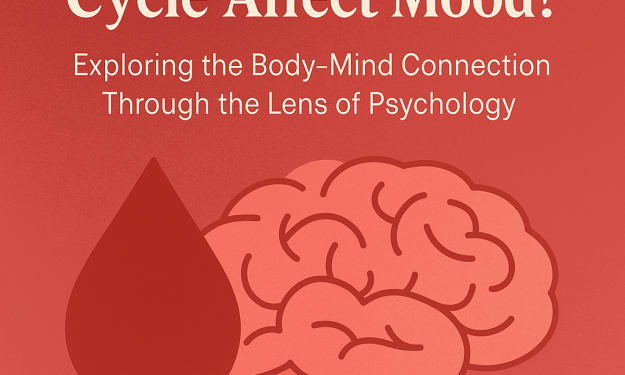
Does the Menstrual Cycle Affect Mood?
Introduction In recent years, the scientific community has increasingly acknowledged the profound connection between physiological processes and psychological wellbeing. One area where this connection is particularly apparent, yet often misunderstood or overlooked, is the relationship between the menstrual cycle and mood. Many women report mood fluctuations that align with different phases of their cycle, ranging from mild irritability to severe emotional distress. Yet, cultural taboos and misinformation continue to cloud our understanding of this important psychophysiological topic.
By Siria De Simone10 months ago in Psyche
The Psychology of Bullying: What Drives Aggression and How We Can Break the Cycle
Introduction: Why Understanding Bullying Matters Bullying is more than just a series of isolated incidents of aggression or cruelty. It is a psychological, social, and sometimes systemic phenomenon that has lasting effects on both the victims and the perpetrators. While often associated with childhood and adolescence, bullying can persist into adulthood and manifest in workplace dynamics, online interactions, and social hierarchies.
By Siria De Simone10 months ago in Psyche
Logos and Labels: The Psychology Behind Status Signaling in Different Social Classes
Introduction In modern consumer culture, logos are everywhere: stitched across jackets, emblazoned on handbags, and printed on shoes. But an intriguing paradox emerges upon closer inspection: luxury brands with large, conspicuous logos are often more popular among consumers from lower socioeconomic backgrounds, while the wealthiest individuals tend to favor high-end, logo-free fashion. This pattern is not accidental. It reflects deep psychological and sociocultural dynamics that shape the ways people express identity, seek validation, and signal status.
By Siria De Simone10 months ago in Psyche
What Is Self-Compassion and Why It’s More Helpful Than Self-Esteem
Introduction In a world where achievement, performance, and confidence are often seen as the keys to happiness and success, self-esteem has long been touted as a central pillar of mental well-being. Schools, therapists, and even motivational speakers have emphasized the need to "boost self-esteem" to feel better, be more resilient, and thrive in relationships and careers. But what if the constant quest for self-esteem leaves us more vulnerable, more anxious, and more self-critical?
By Siria De Simone10 months ago in Psyche
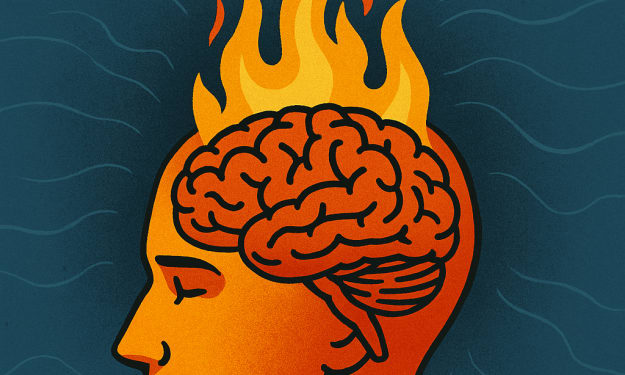
Mental Burnout: Psychological Causes and Solutions
Introduction In an era defined by relentless productivity, high expectations, and constant connectivity, mental burnout has become a silent epidemic. Often mistaken for mere exhaustion, burnout is a multifaceted psychological condition that can erode one’s emotional well-being, cognitive function, and overall quality of life. It is no longer confined to corporate boardrooms or high-stress professions; students, caregivers, freelancers, and even teenagers are reporting symptoms of burnout in increasing numbers.
By Siria De Simone10 months ago in Psyche